Sky-Watcher 150 Telescope
The Sky-watcher Telescope is an essential tool for amateur astronomers and photography enthusiasts alike, offering a unique opportunity to capture the stunning beauty of the cosmos. Designed for ease of use, this telescope allows photographers to explore celestial bodies in incredible detail and clarity, making it a popular choice among both beginners and seasoned stargazers.
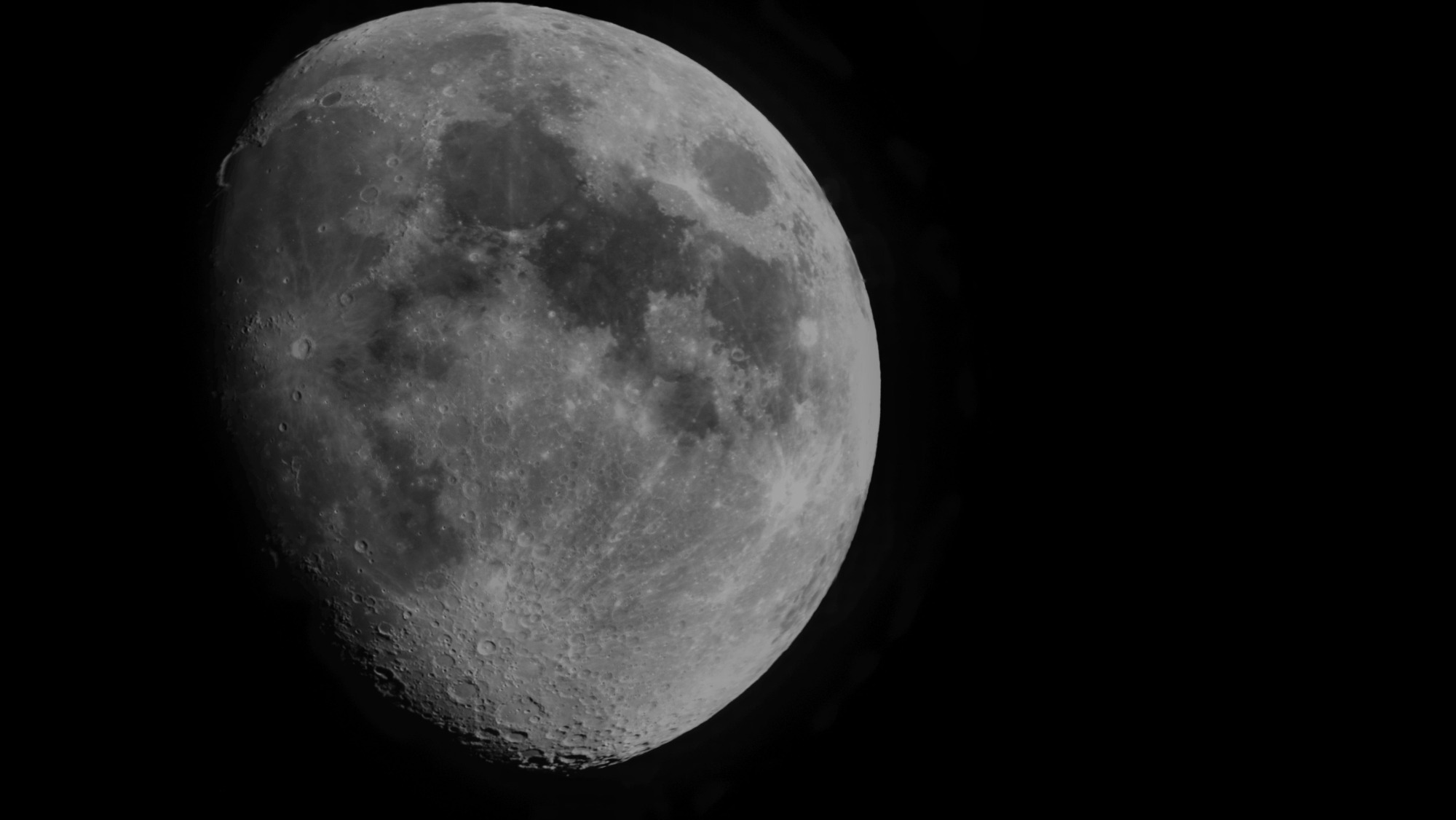
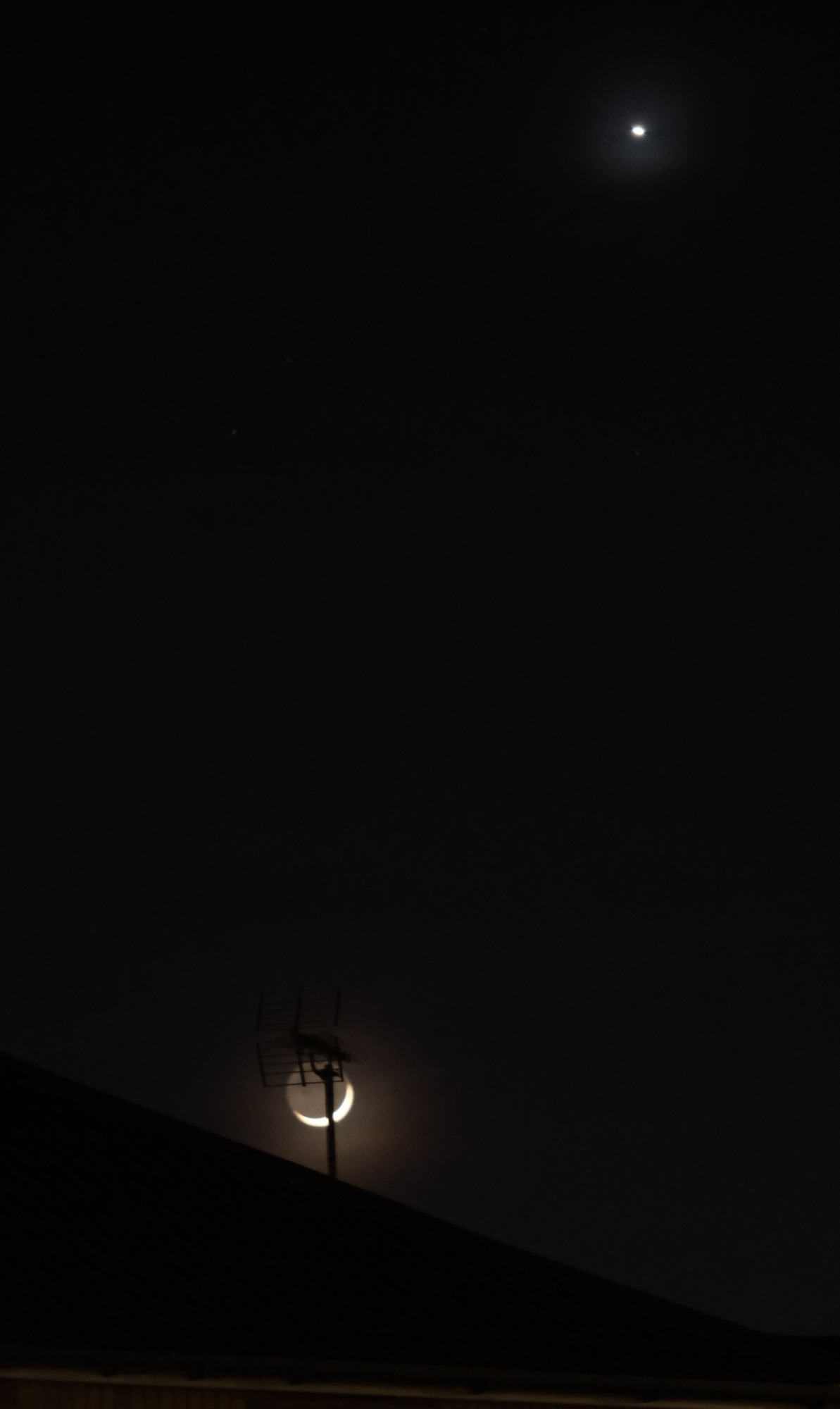
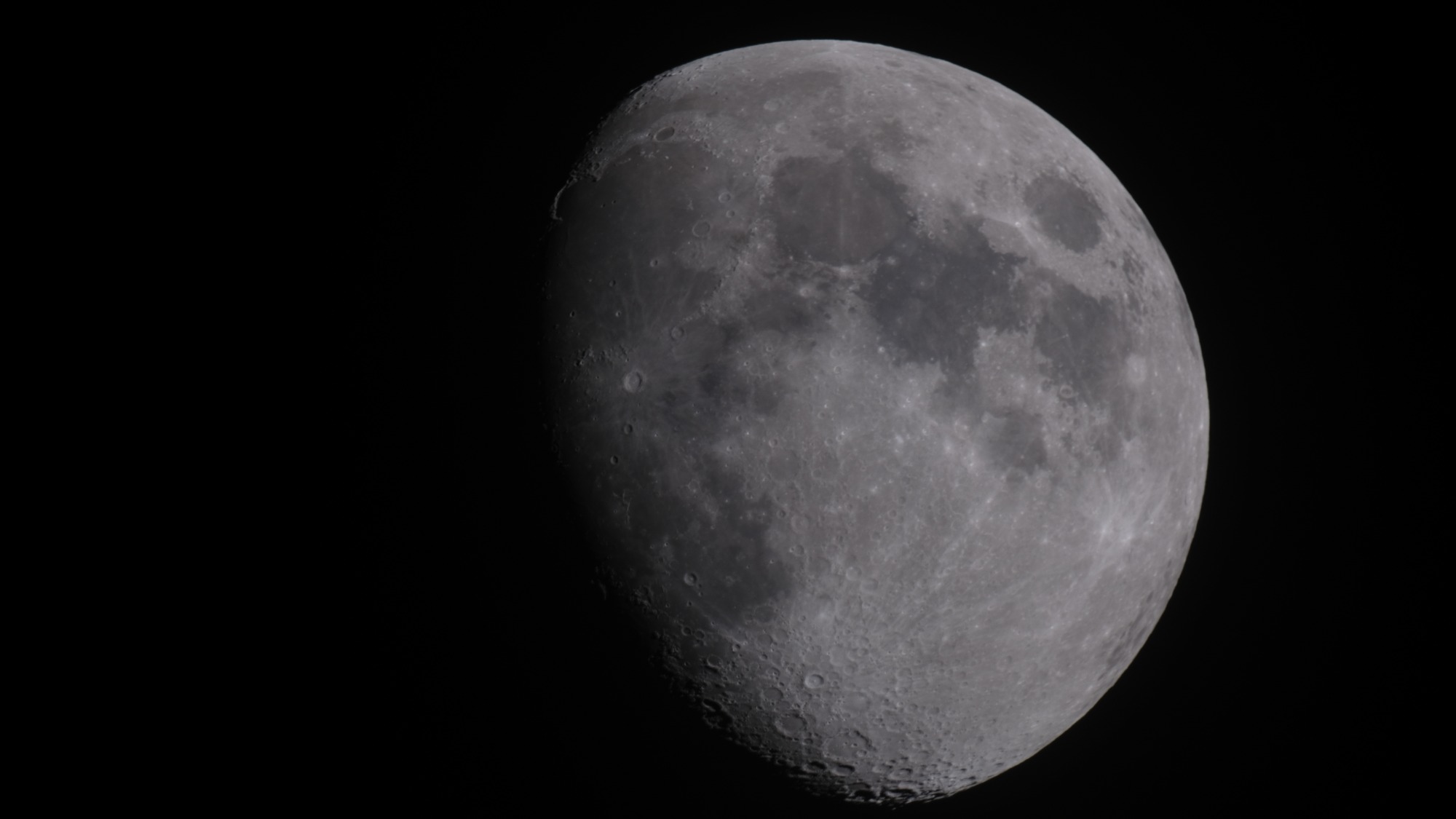
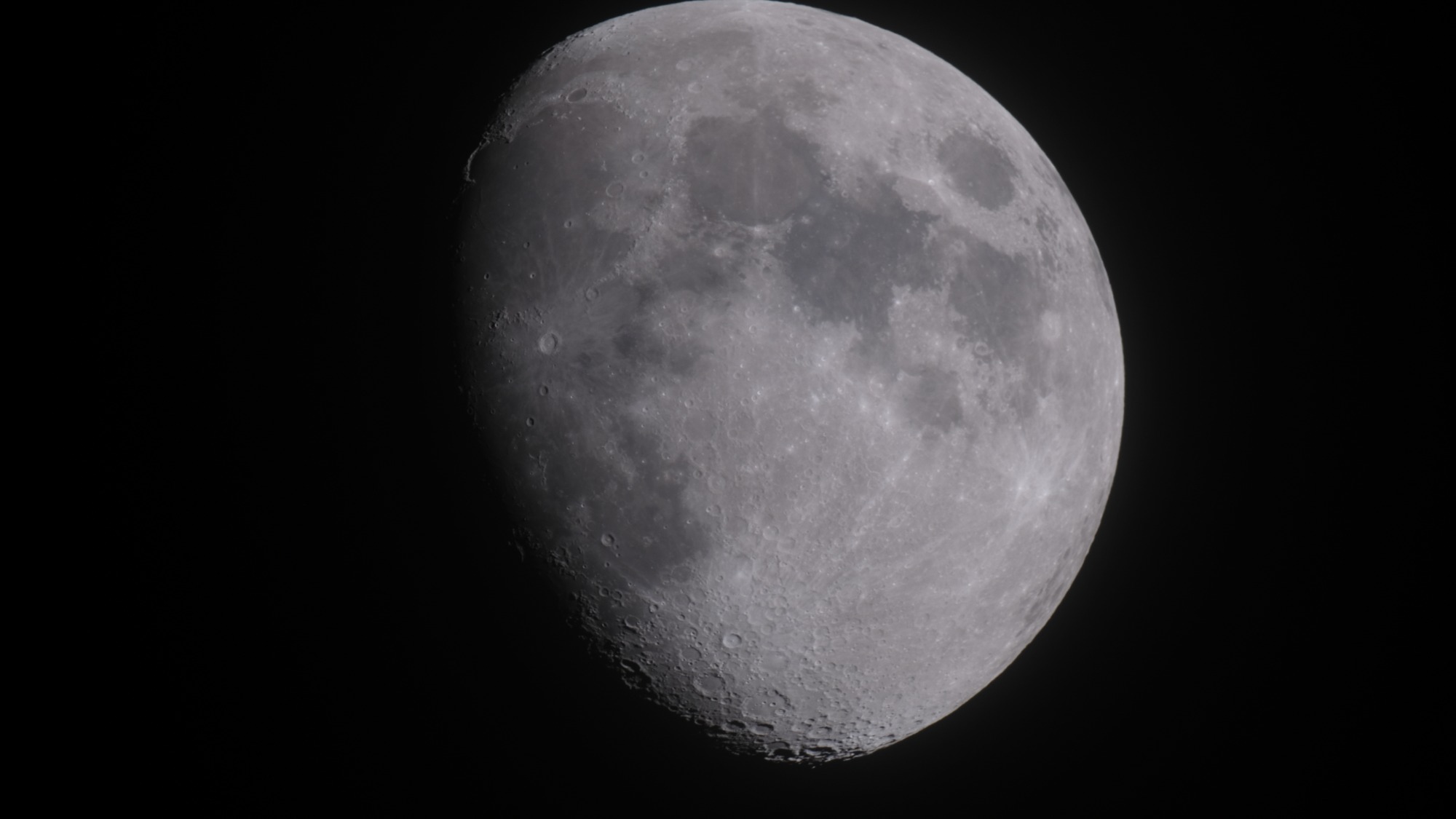
One of the most thrilling targets for astrophotography through a Sky-watcher Telescope is the Moon. Its craters, mountains, and plains provide a myriad of textures and contrasts that can be beautifully rendered in photographs. With the right camera attachment and settings, photographers can create striking images that highlight the Moon's fascinating features, showcasing the intricacies of our nearest celestial neighbour.
In addition to the Moon, the Sky-watcher Telescope opens up a world of possibilities for capturing the vivid colours and captivating details of distant planets. The gas giants, such as Jupiter and Saturn, are particularly popular subjects. Through the telescope's high magnification capabilities, photographers can witness and immortalise the swirling clouds of Jupiter and the stunning rings of Saturn, making these images a treasure for any space enthusiast.
Utilising a Sky-watcher Telescope for astrophotography not only enhances the viewing experience but also broadens the horizons of creativity. By experimenting with various settings, exposures, and filters, photographers can produce stunning images that reflect the magnificence of our solar system. This practice not only provides a deeper appreciation for the night sky but also serves as an engaging way to connect with the science of astronomy.
Ultimately, the Sky-watcher Telescope is a gateway to a world of photographic exploration, enabling enthusiasts to document the wonders of the Moon and planets. With its impressive capabilities, this telescope inspires individuals to push the boundaries of their creativity and share the beauty of the universe with others, fostering a community of stargazers and photographers passionate about the endless wonders that await in the sky.
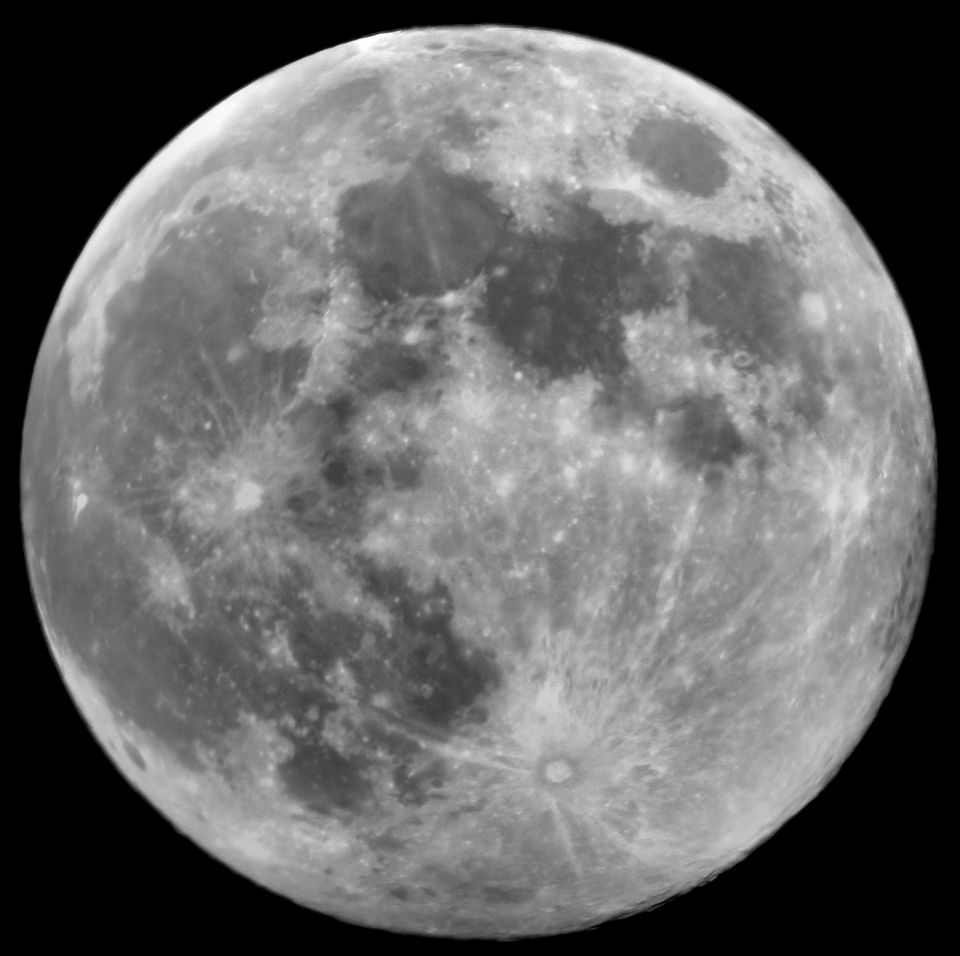
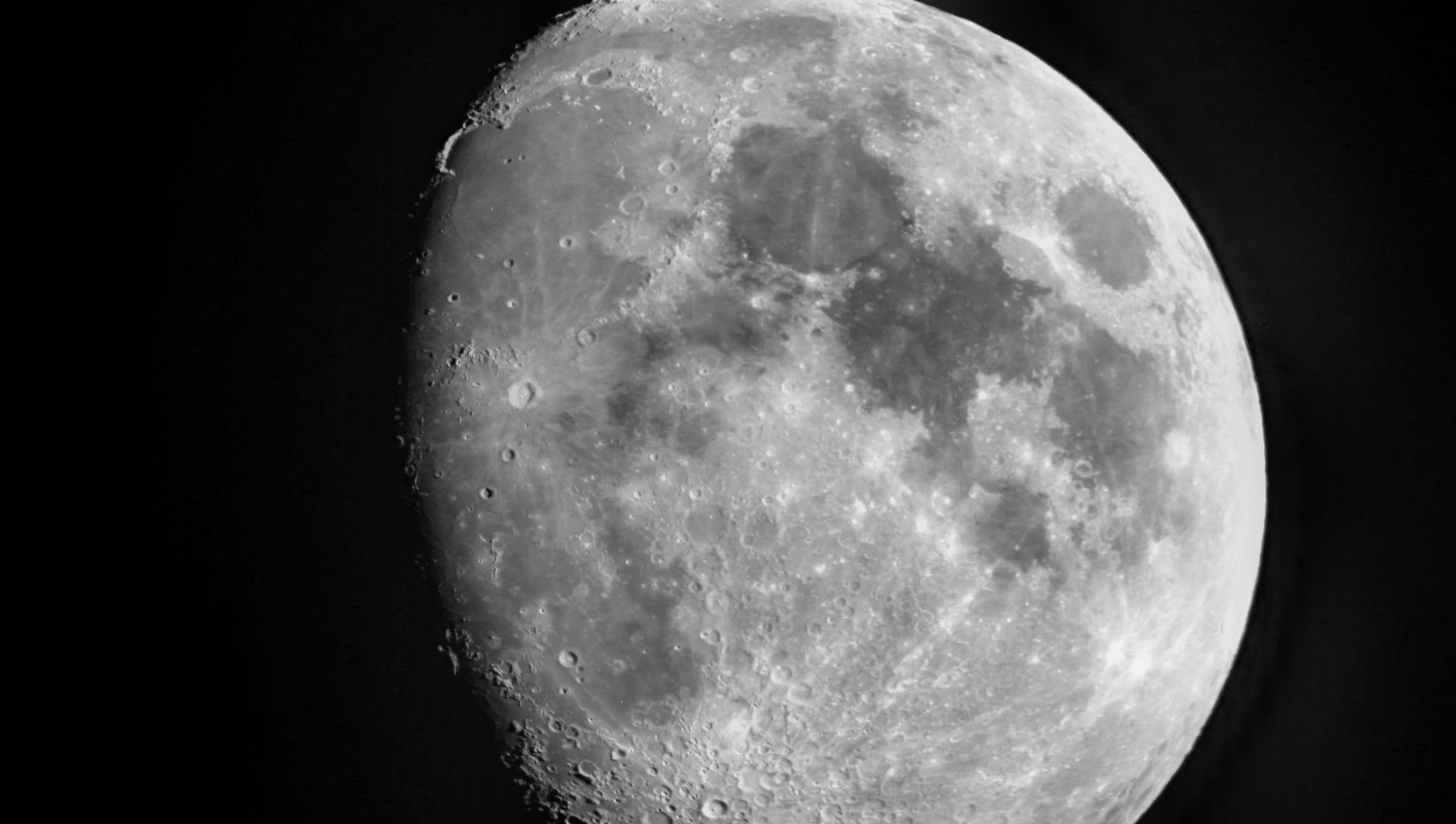
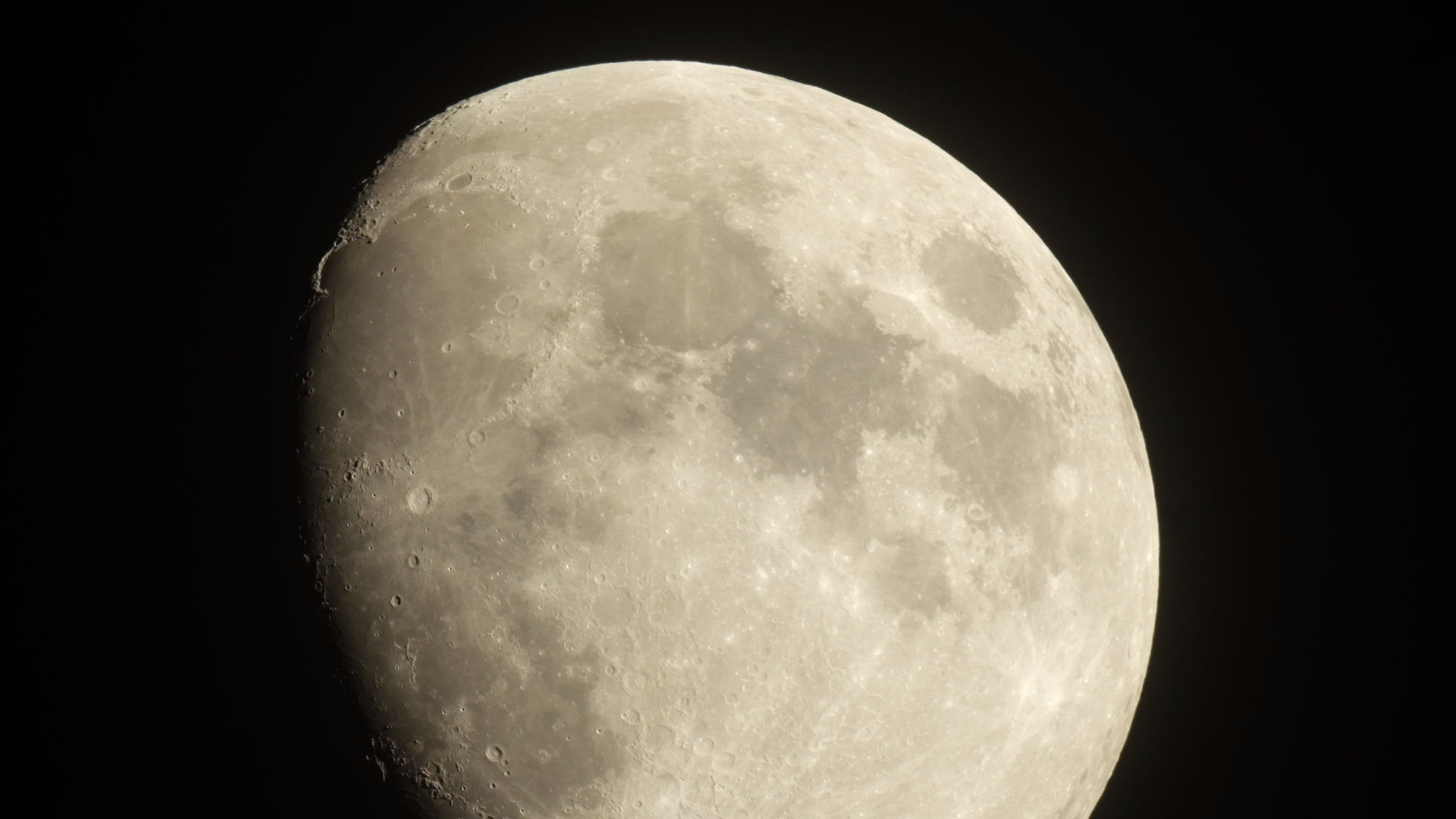
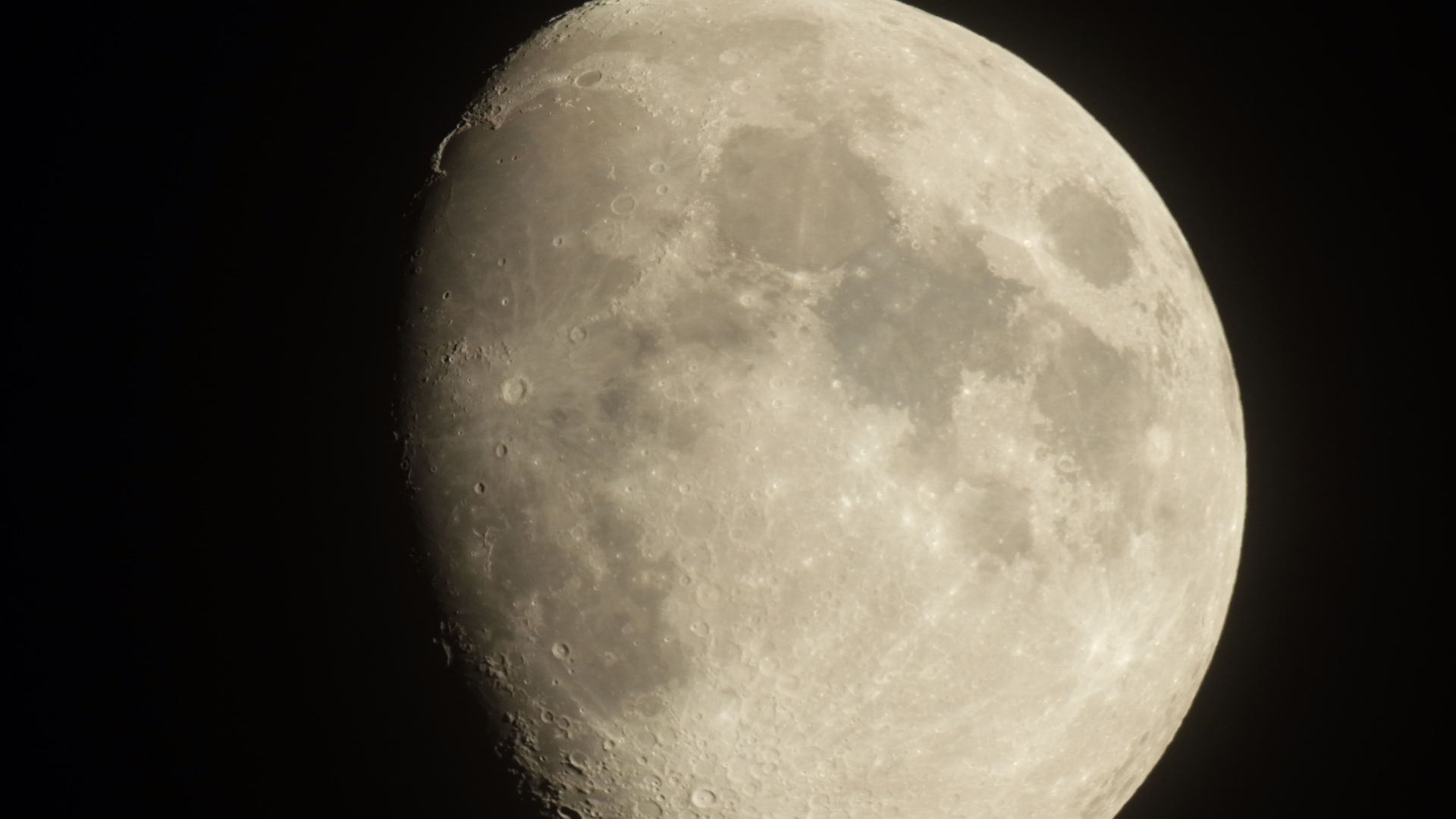
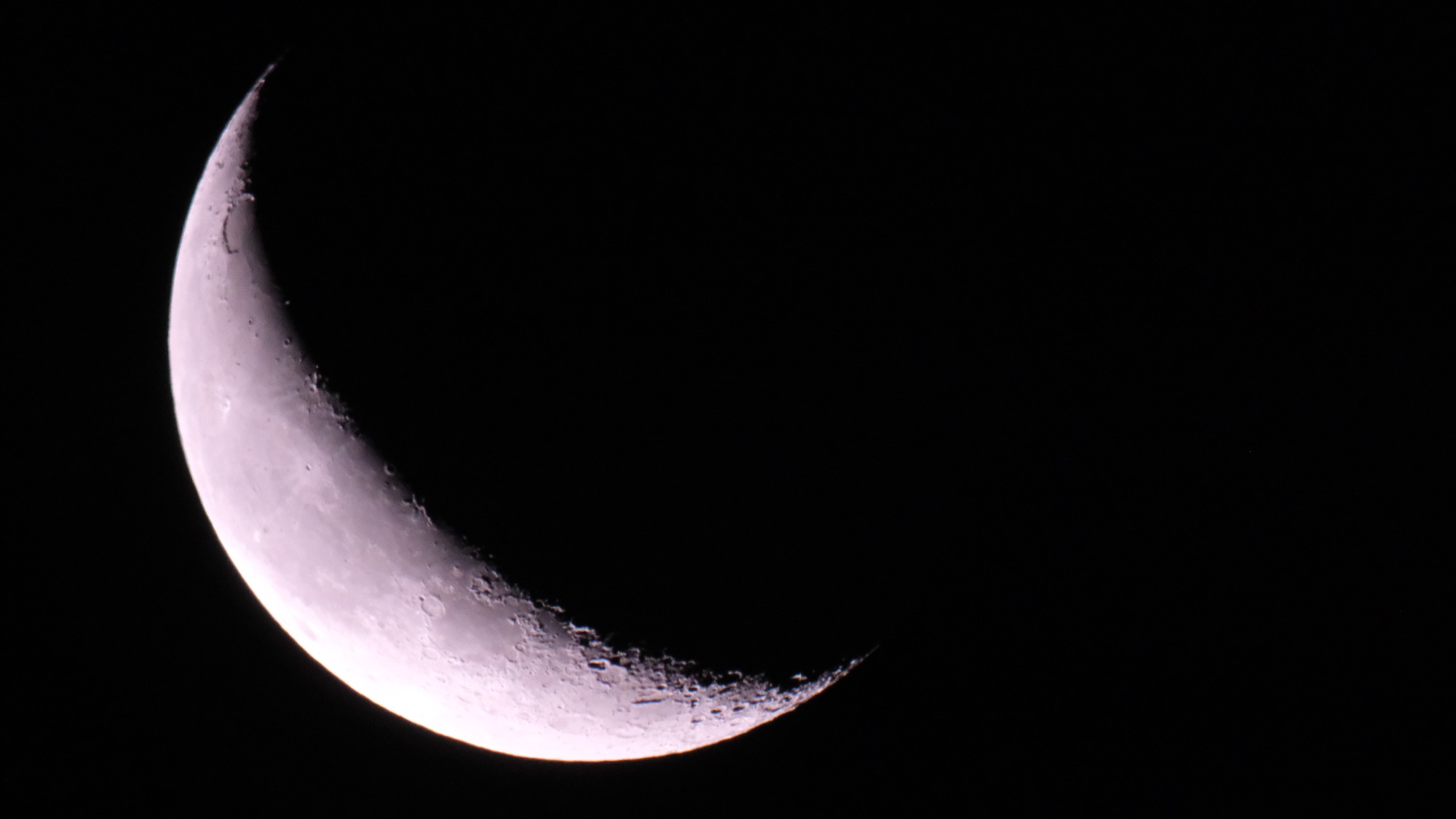
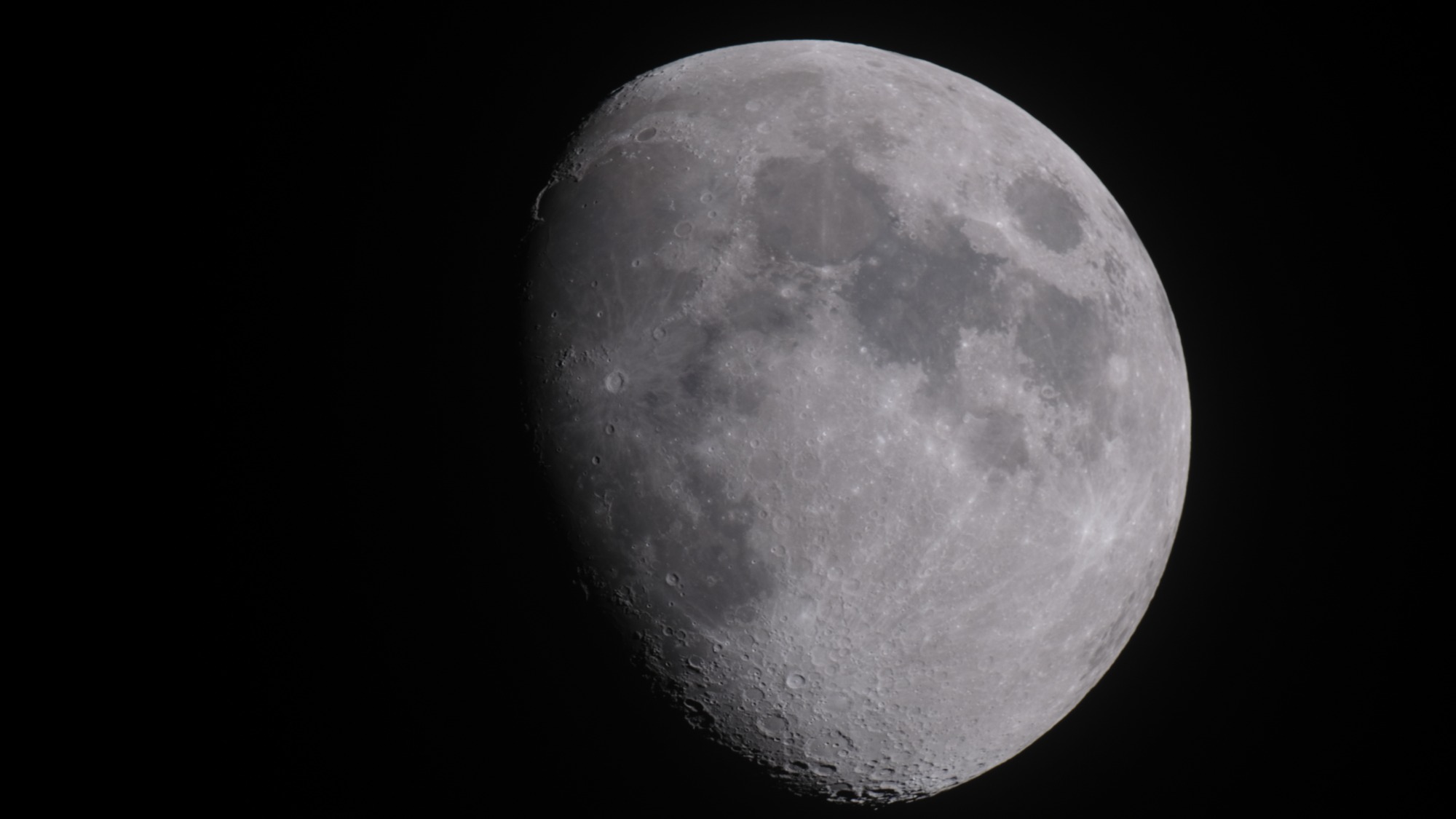
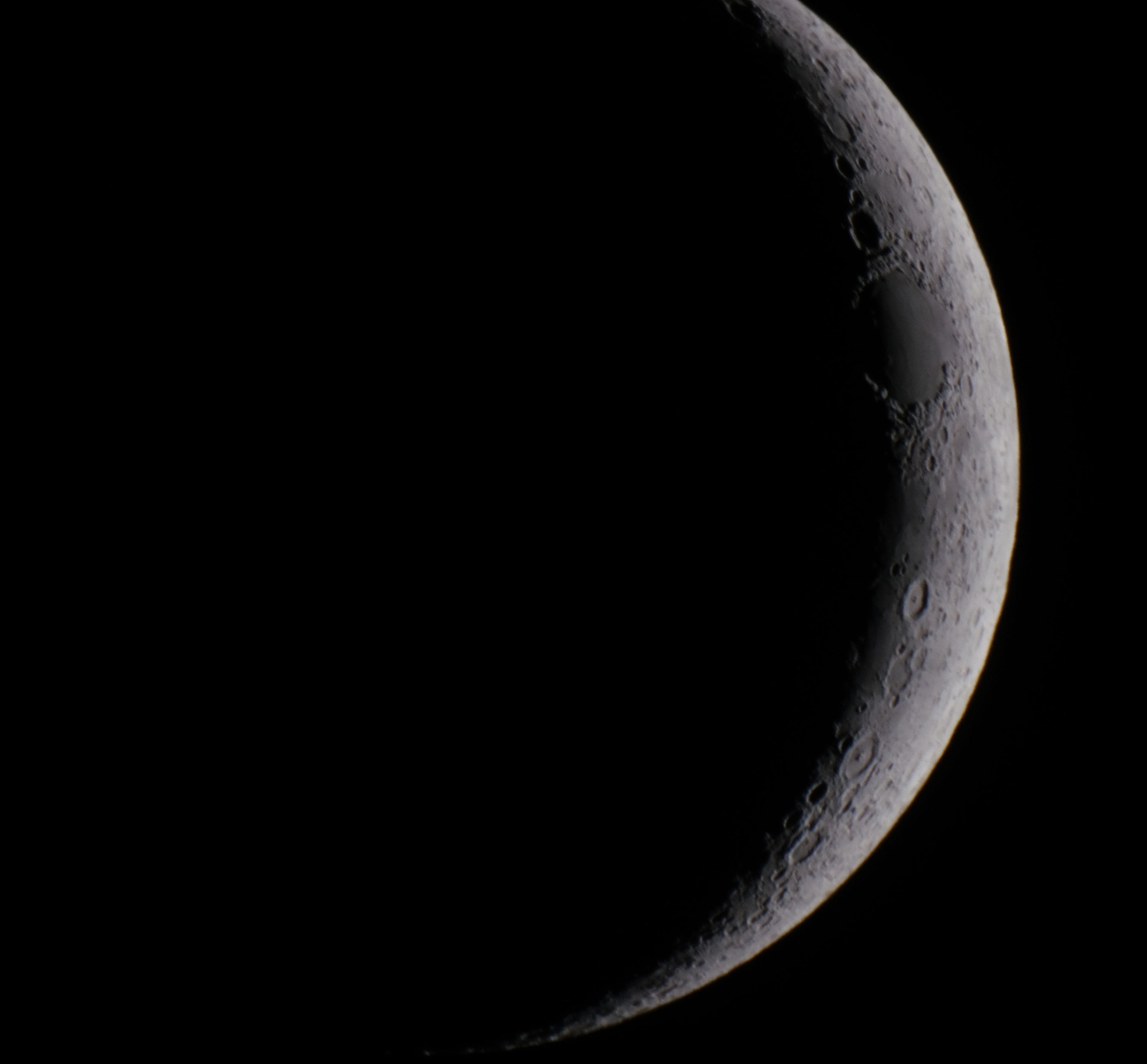
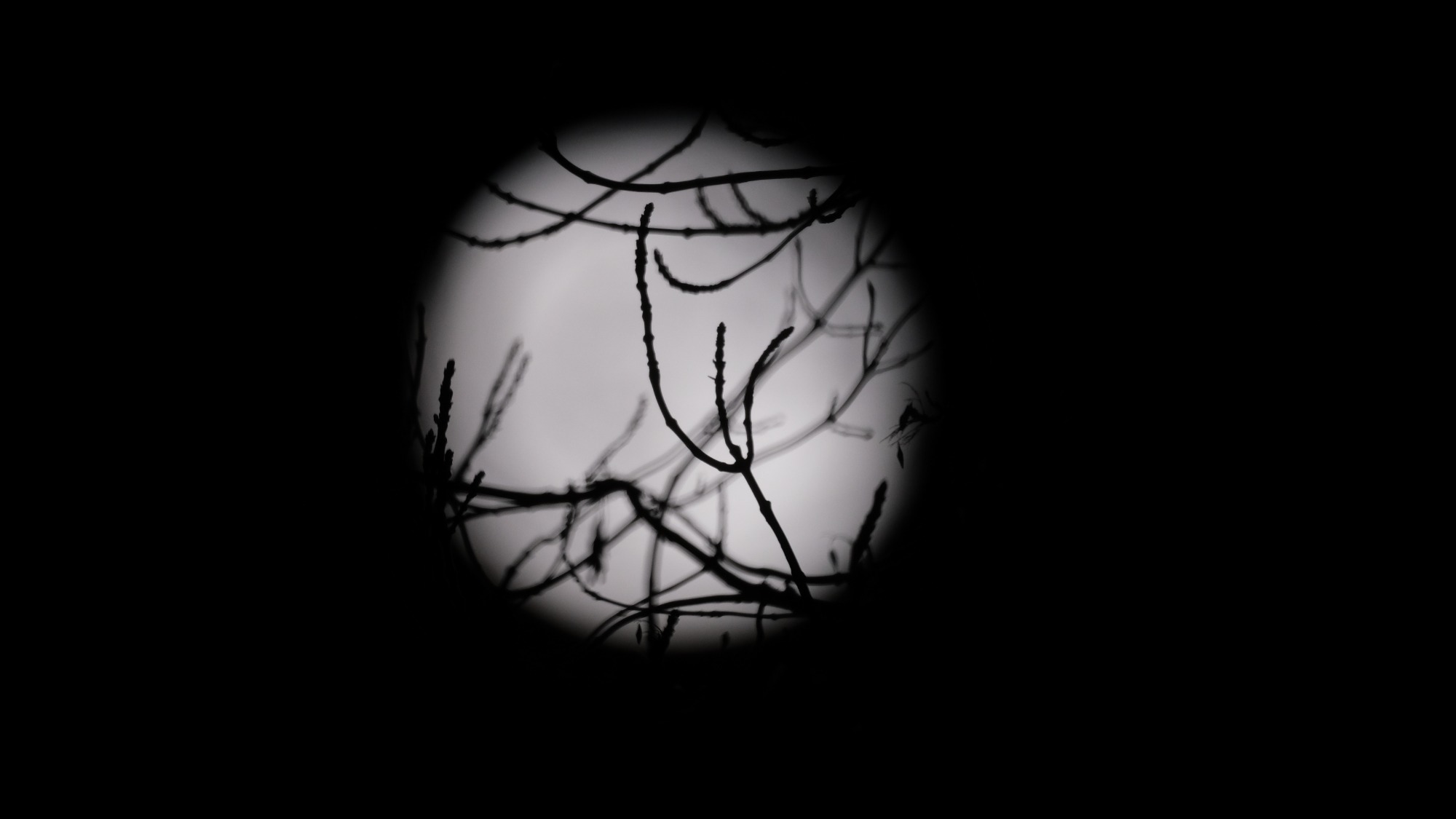
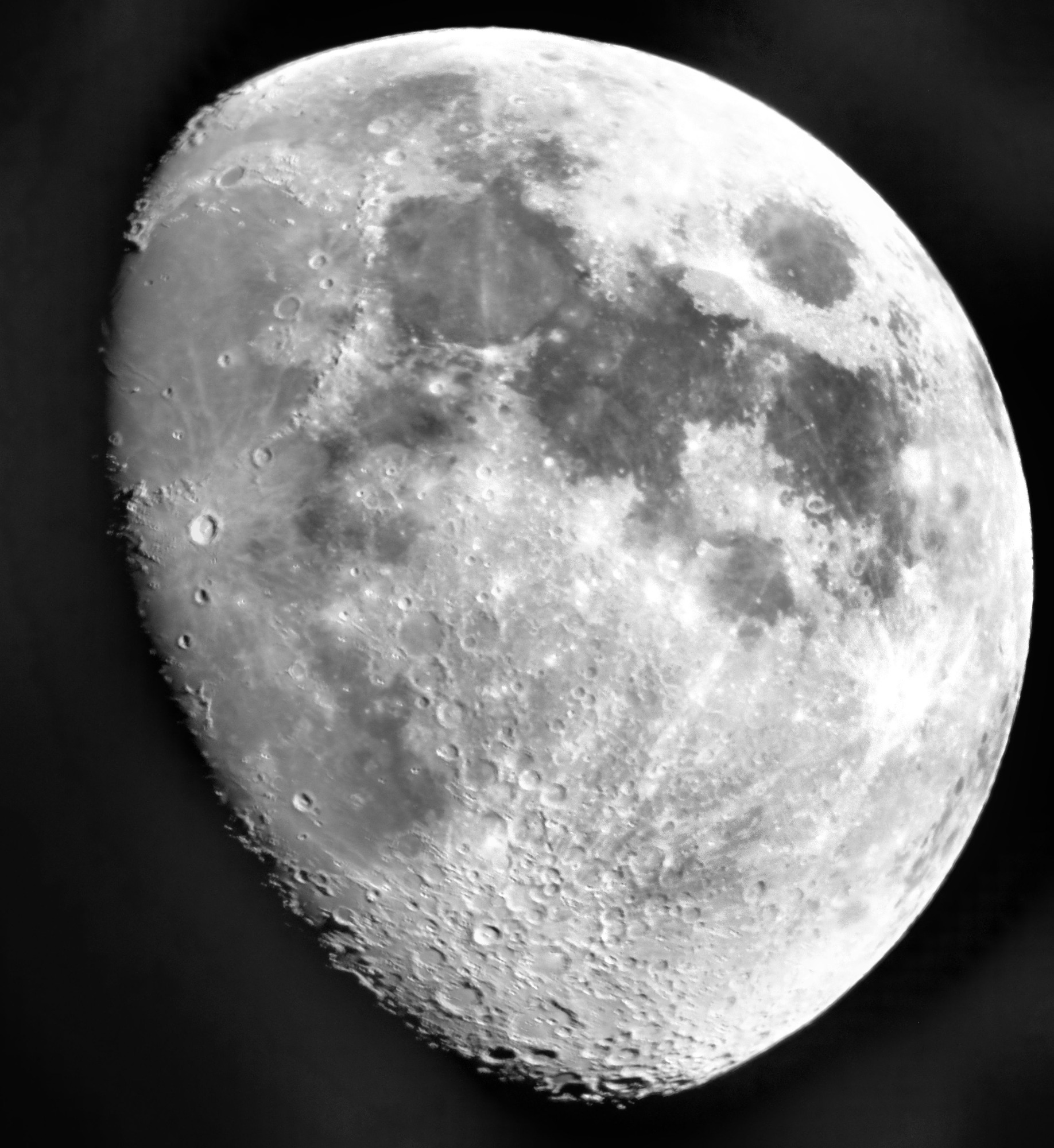
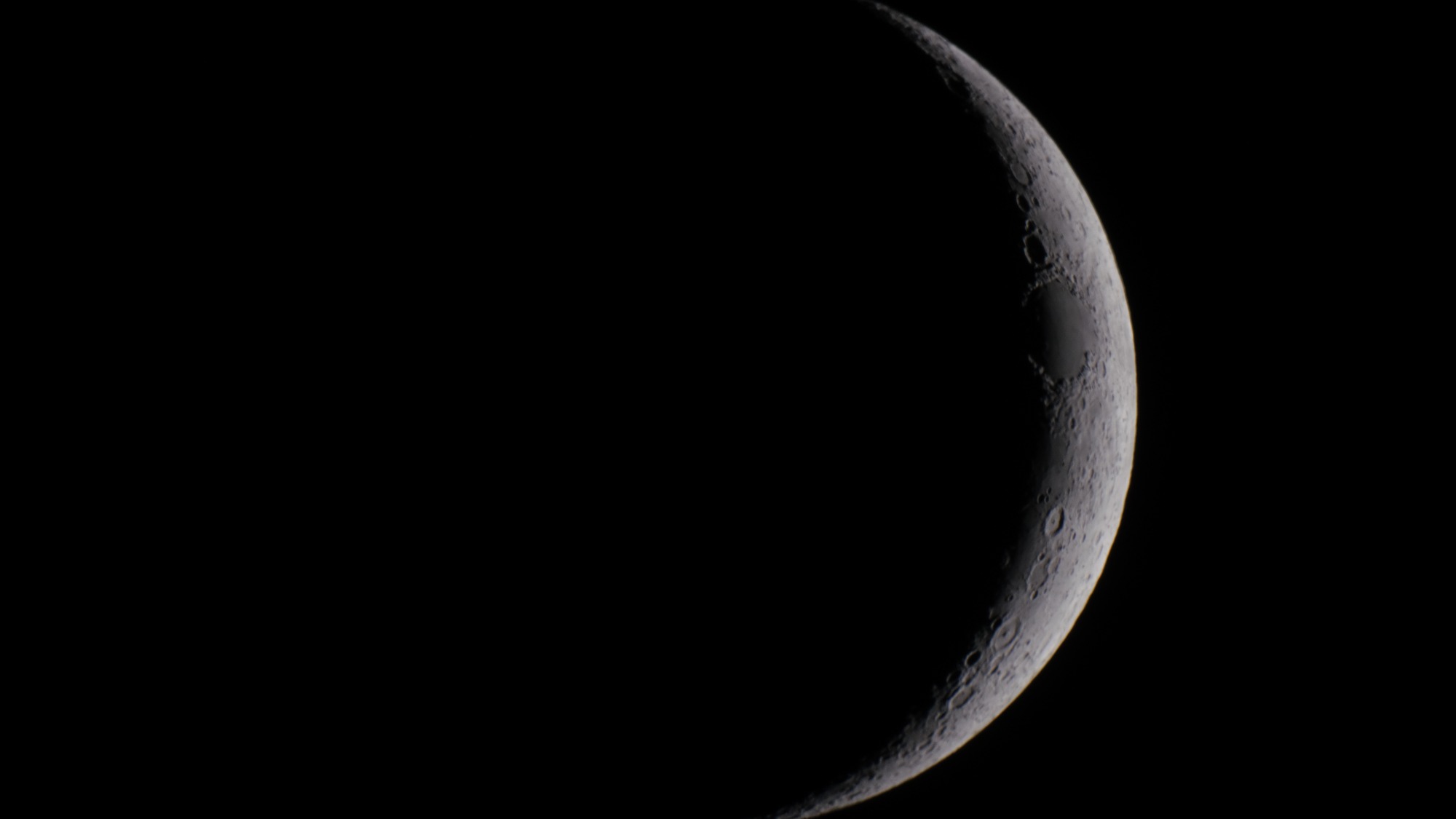
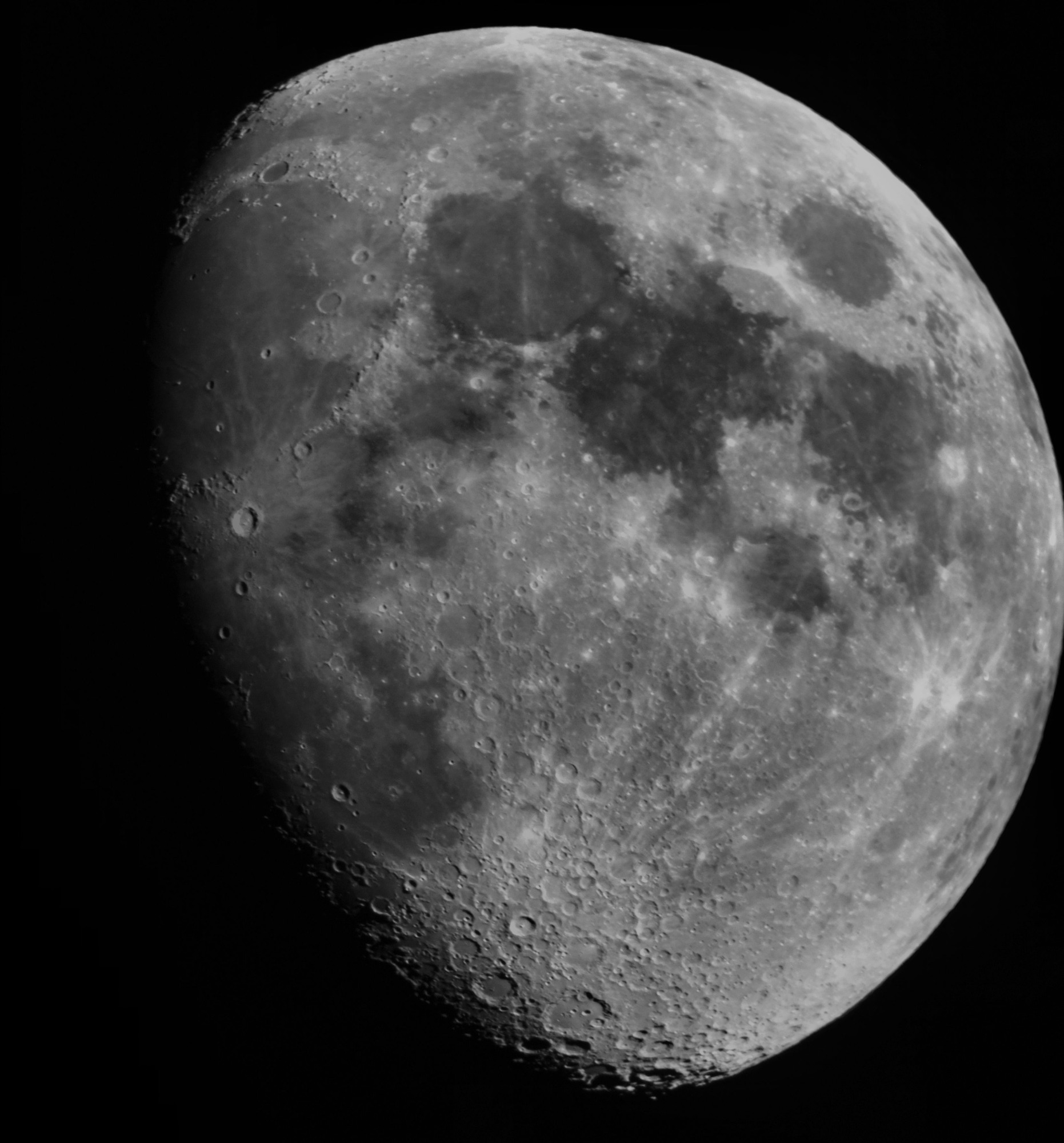
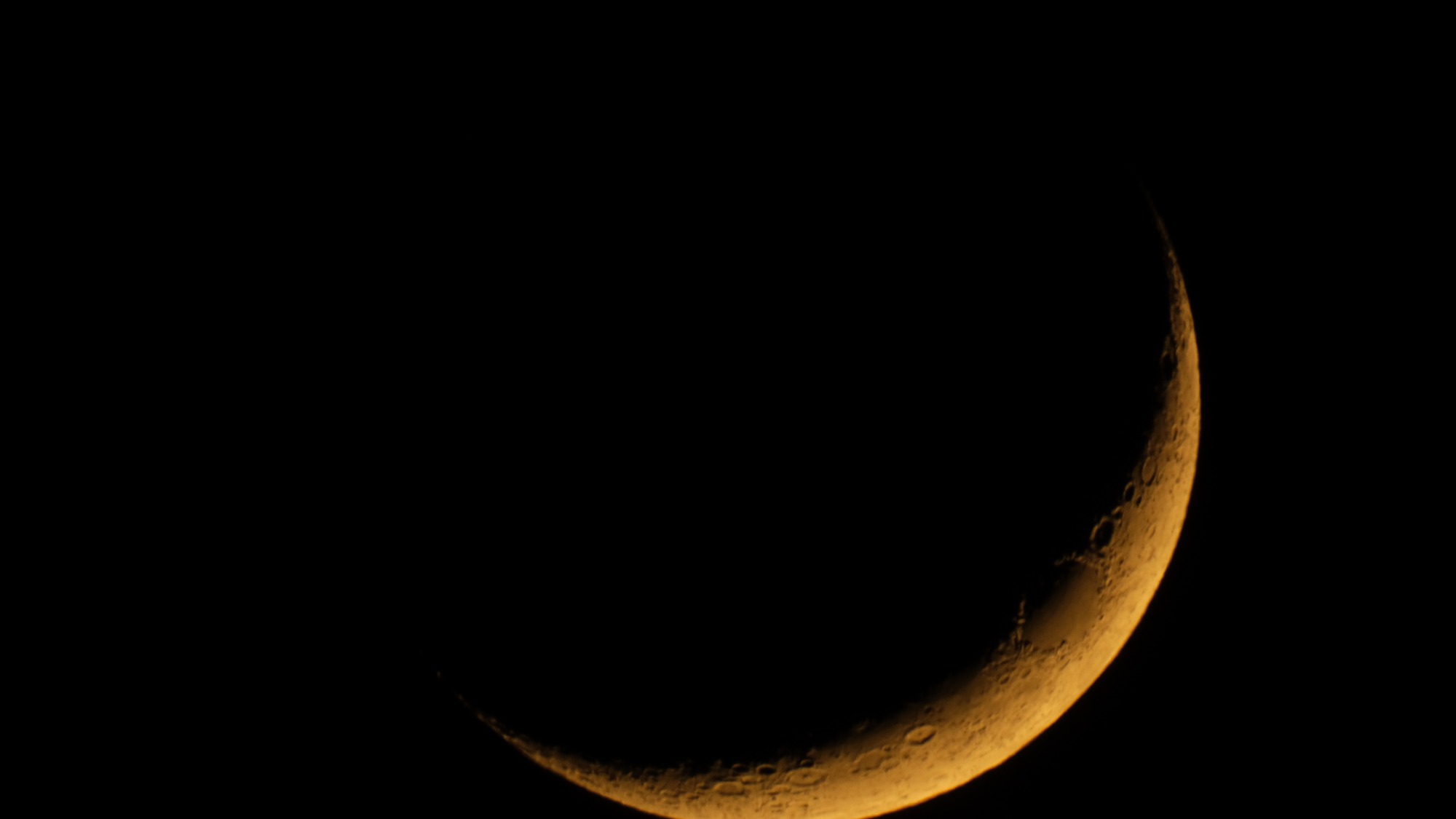
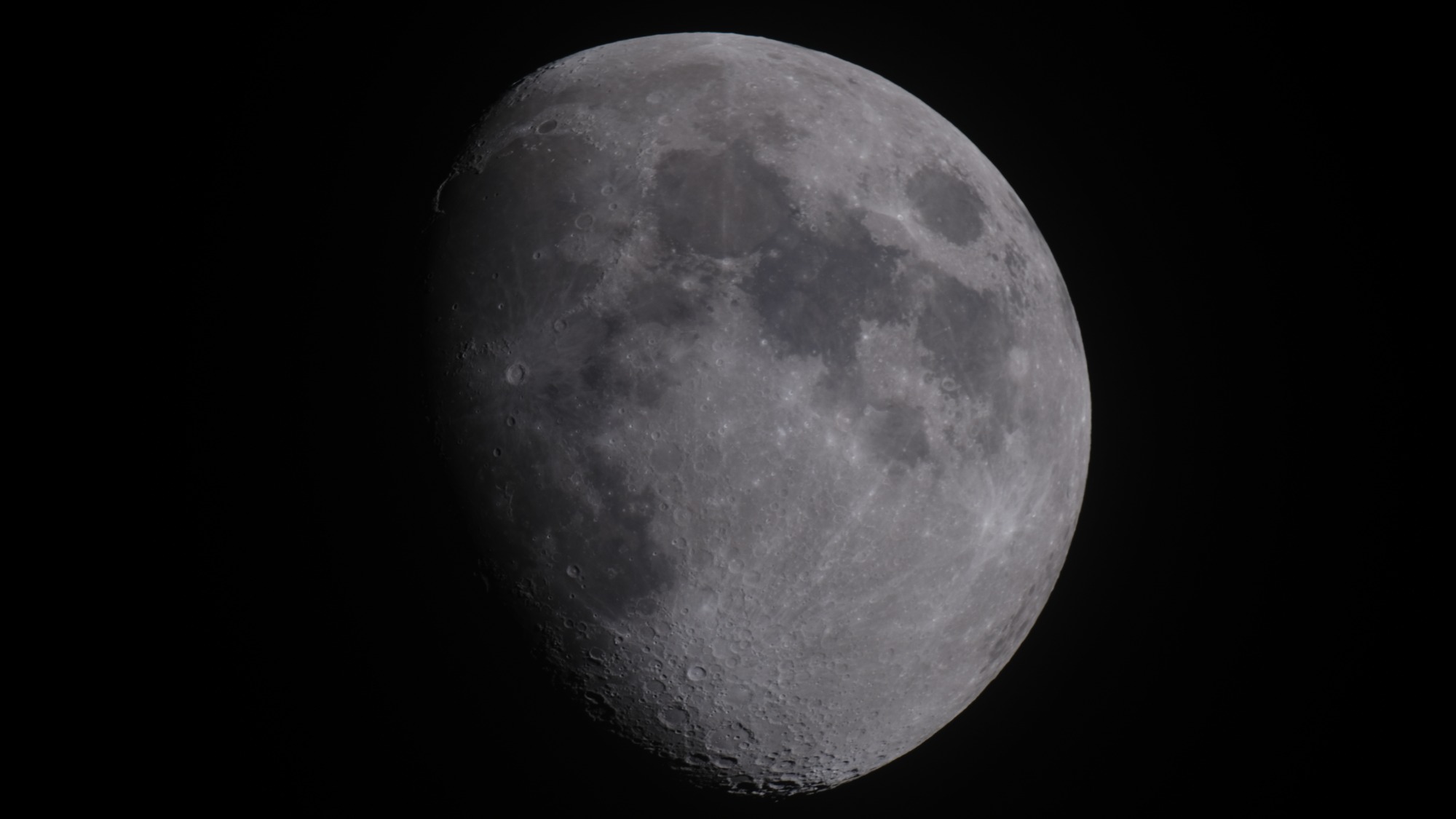
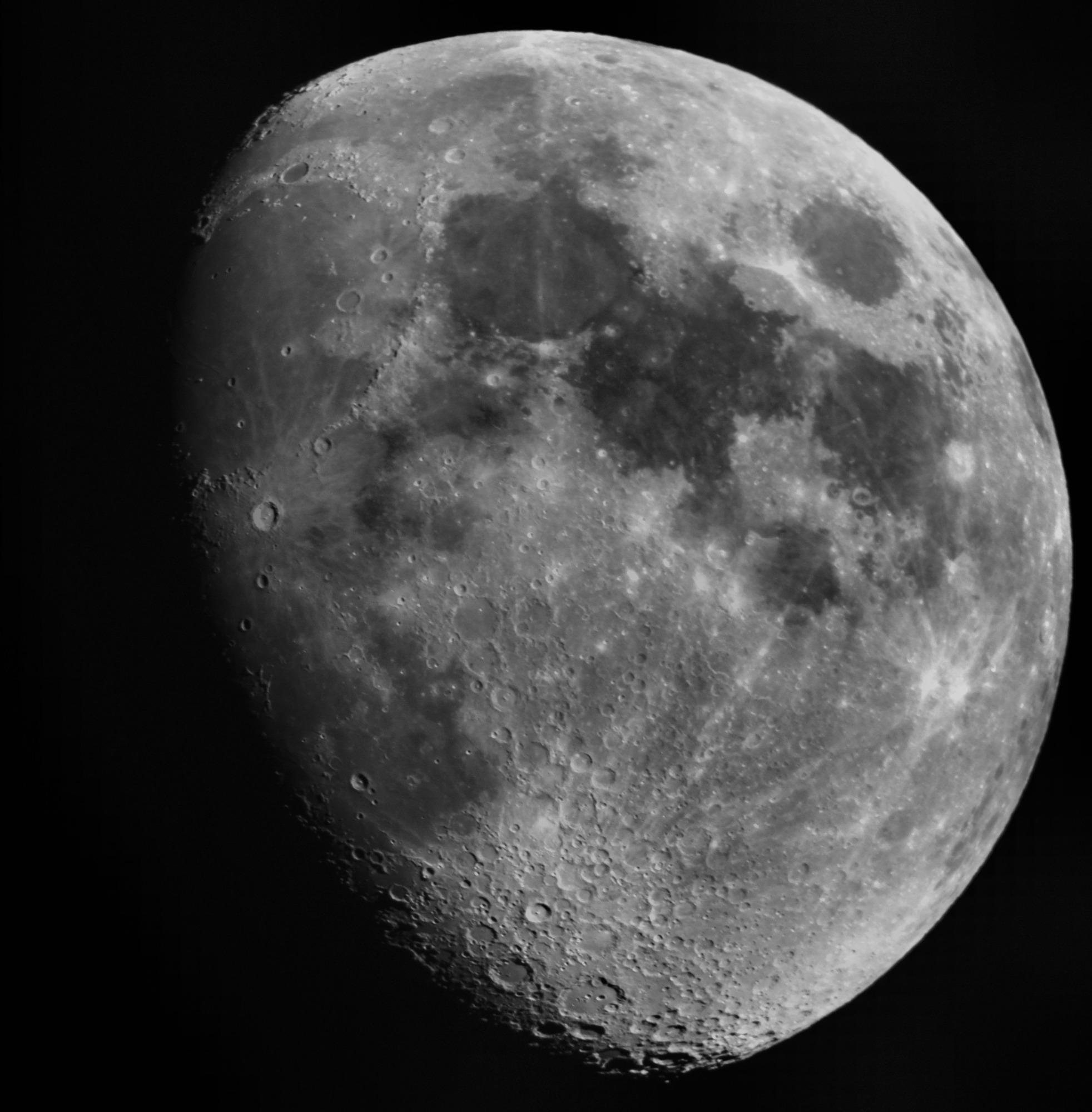
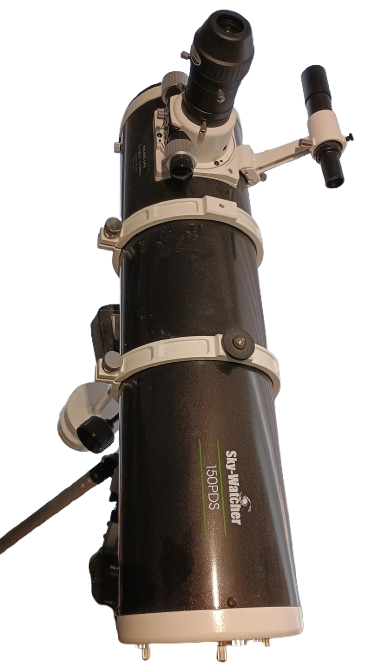
Sky- Watcher 150 PDS Telescope
The Photos were taken using a
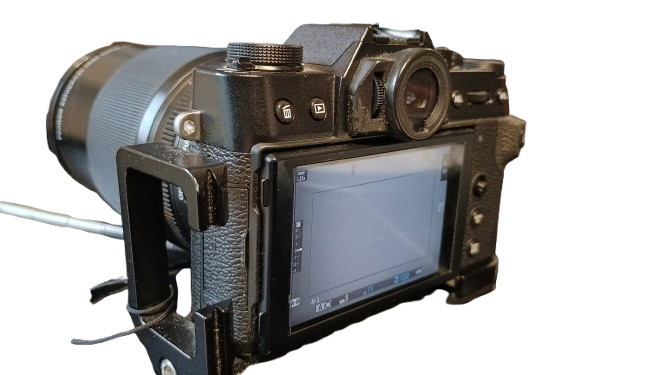
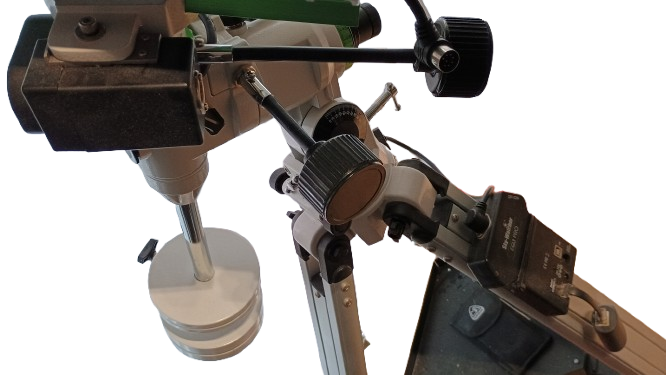
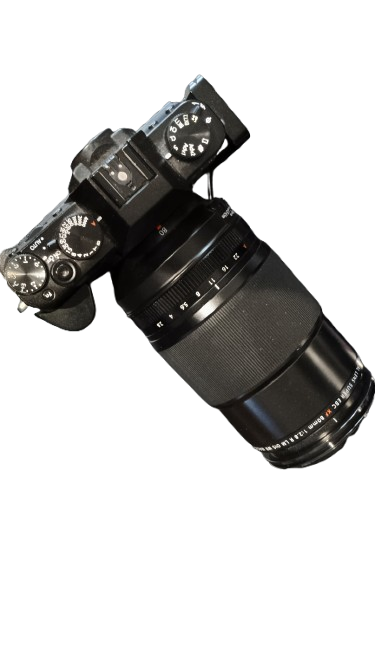
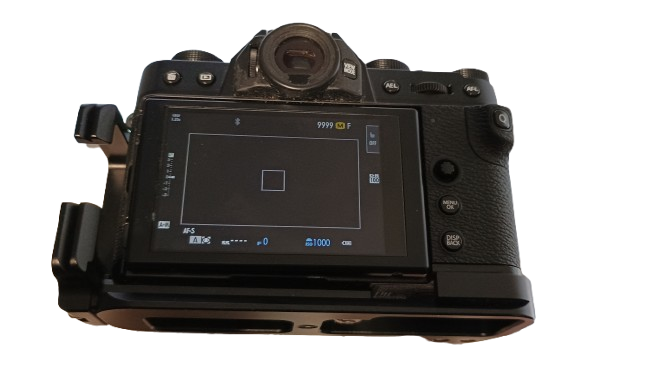
Sky- Watcher 150 PDS Telescope, using a Fuji X-T30 Camera fitted with 1.25-inch 5 X Barlow Lens & Moon Filter Kit and later on a 2 inch 2 X Barlow Lens & Moon Filter Kit
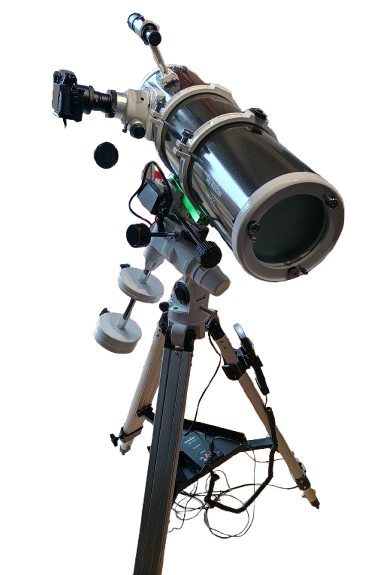
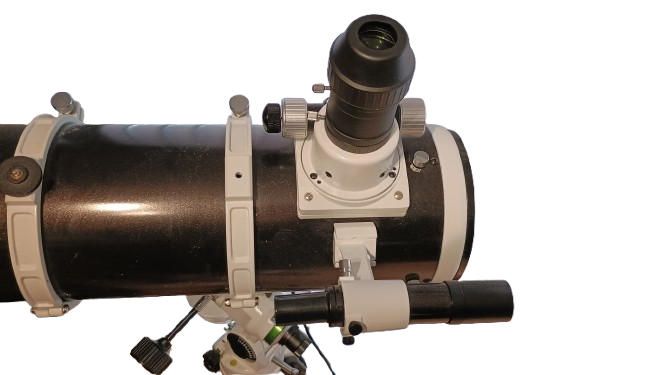
Sky- Watcher 150 PDS Telescope, 2 inch lens, fine
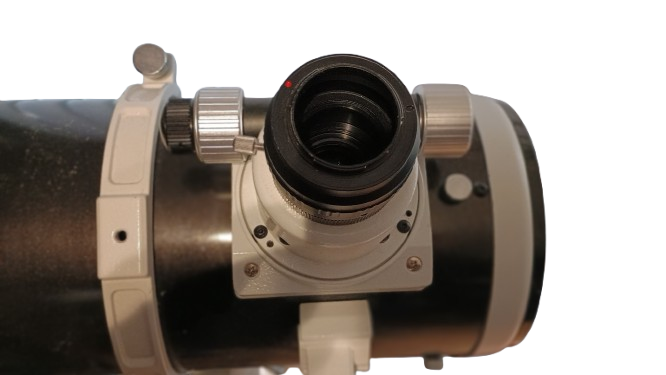
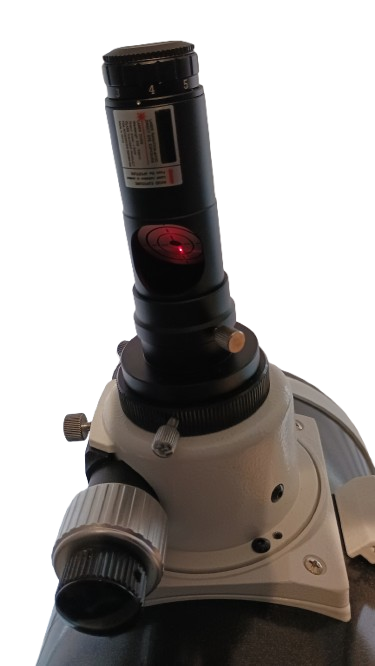
focus control, 2 inch T adapter to add digital camera, collimation tool and WIFI unit accessories
Alstar 2" ED 2X Dual Power Telescope Barlow Lens for Telescopes
Okuyonic Extension Tube Kit Lens Mount Adapter Telescope Adapter T Adapter Ring Fit for Sony and Fuji Operation Stability Metal Materials
Svbony 2" Telescope Filters, Moon Filter for Telescope Eyepieces, Metal Rim and Glass Lens, Reduce Bright Glare for Enhancing Definition in Lunar Planetary Observation
Telescope Laser Collimator 1.25inch, Bysameyee Calibrator with 2'' Adapter for Newtonian Reflector Telescope Collimation
Starboosa 1.25-inch 5X Barlow Lens & Moon Filter Kit-for Telescope Eyepieces
Starboosa 1.25" Barlow Lens - for Telescope Eyepieces - Actual 2X Magnification
Fujifilm Xapp to control the X-T30 Camera
SynScan Pro to control the Telescope
Stellarium + App to contol the Telescope and view where everything is in the sky
Net Analyser to check what's happening on the WIFI
Skymap is also a useful App to quickly see where the Moon, Sun and planets Are
WIFI unit
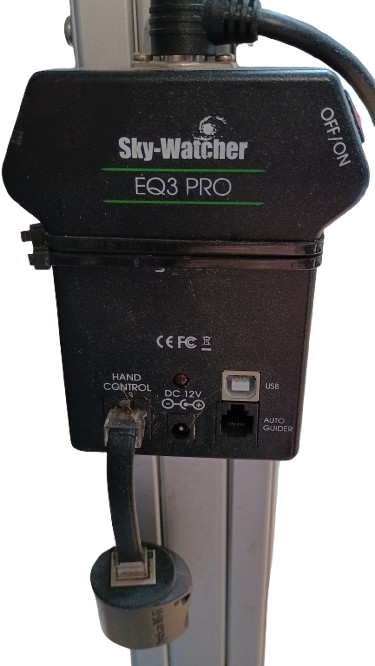
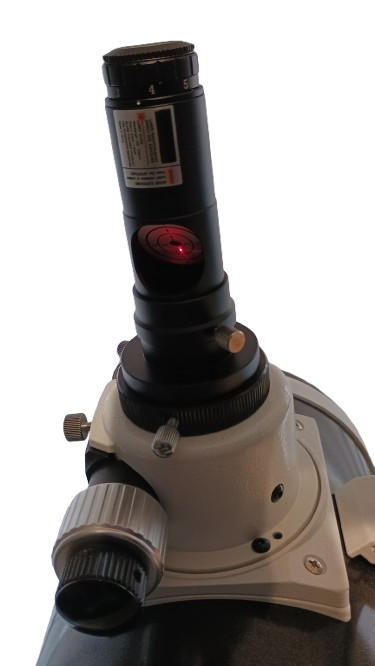
Collimation tool
In the realm of astrophotography, achieving flawless images of celestial bodies requires not only skill but also the right equipment. One essential tool for any serious astronomer is the collimation tool, particularly those produced by Sky-Watcher. Collimation is the process of aligning the mirrors in a telescope—an essential task that ensures optimal performance and clarity in your images. Without proper alignment, the light gathered by the telescope can become distorted, leading to blurry or aberrated photographs.
Sky-Watcher's collimation tools are designed to simplify this process, allowing photographers to fine-tune their telescopes with precision. By using laser collimators or collimation caps, photographers can quickly assess the alignment of their mirrors, adjusting them as needed to ensure that all optical elements are perfectly aligned. This is particularly important when capturing detailed images of planets, stars, or deep-sky objects, where every inch of clarity counts.
To align the mirrors effectively, begin by setting up your telescope in a stable environment. Use the collimation tool to project a beam of light through the optical system, then adjust the primary and secondary mirrors as guided by the tool's indicators. Regular maintenance using a Sky-Watcher collimation tool will not only enhance your astrophotography experience but also prolong the life of your telescope, making it a vital investment for both amateur and professional astronomers alike.
Three star alignment method
Telescope alignment is a crucial step in achieving optimal performance for astrophotography. When capturing celestial objects, it is essential that the telescope tracks the stars accurately to avoid motion blur in images. One effective method for aligning a telescope is known as the three-star alignment technique.
This technique involves selecting three bright stars from the night sky. To begin, the astronomer must ensure that the telescope is properly set up on a stable mount. Once ready, the first star is located and centred in the telescope's field of view. Each subsequent star chosen for alignment should be distinctly separated from the others to ensure precise calibration.
After centring the second star, the alignment software or mount is adjusted to fine-tune the telescope's pointing accuracy. Finally, the third star is used as a reference to confirm that the initial alignment was successful. This three-star method not only enhances the alignment but also assists in enabling the telescope to track celestial movements with improved precision.
Once aligned, photographers can capture stunning images of deep sky objects, planetary details, or star trails. The key to successful astrophotography lies not just in the quality of the telescope, but also in the accuracy of its alignment, making this process invaluable for amateur and professional astrophotographers alike.
By mastering the art of telescope alignment using the three-star technique, photographers can elevate their work, revealing the beauty and wonder of the universe in every shot. Proper alignment opens the door to countless possibilities in capturing the night sky’s exquisite details and stunning phenomena.
Meridian Line
The meridian line plays a crucial role for photographers and astronomers alike, particularly when utilising telescopes like those from Sky-watcher. This imaginary line, which runs from due north to due south, is essential in understanding the movement of celestial bodies across the sky. For astrophotographers, aligning a telescope along the meridian line allows for optimal tracking of stars and planets, resulting in sharper images and better compositions.
Sky-watcher telescopes are equipped with features that facilitate this alignment, making it easier for photographers to capture stunning celestial events. By ensuring that their equipment is positioned accurately along the meridian, photographers can maximise their exposure times and minimise the impact of Earth's rotation on their images. This precision not only enhances the clarity of astrophotography but also deepens the appreciation for the intricate dance of the cosmos.