Tagline
3d Side by Side Full Photgraph
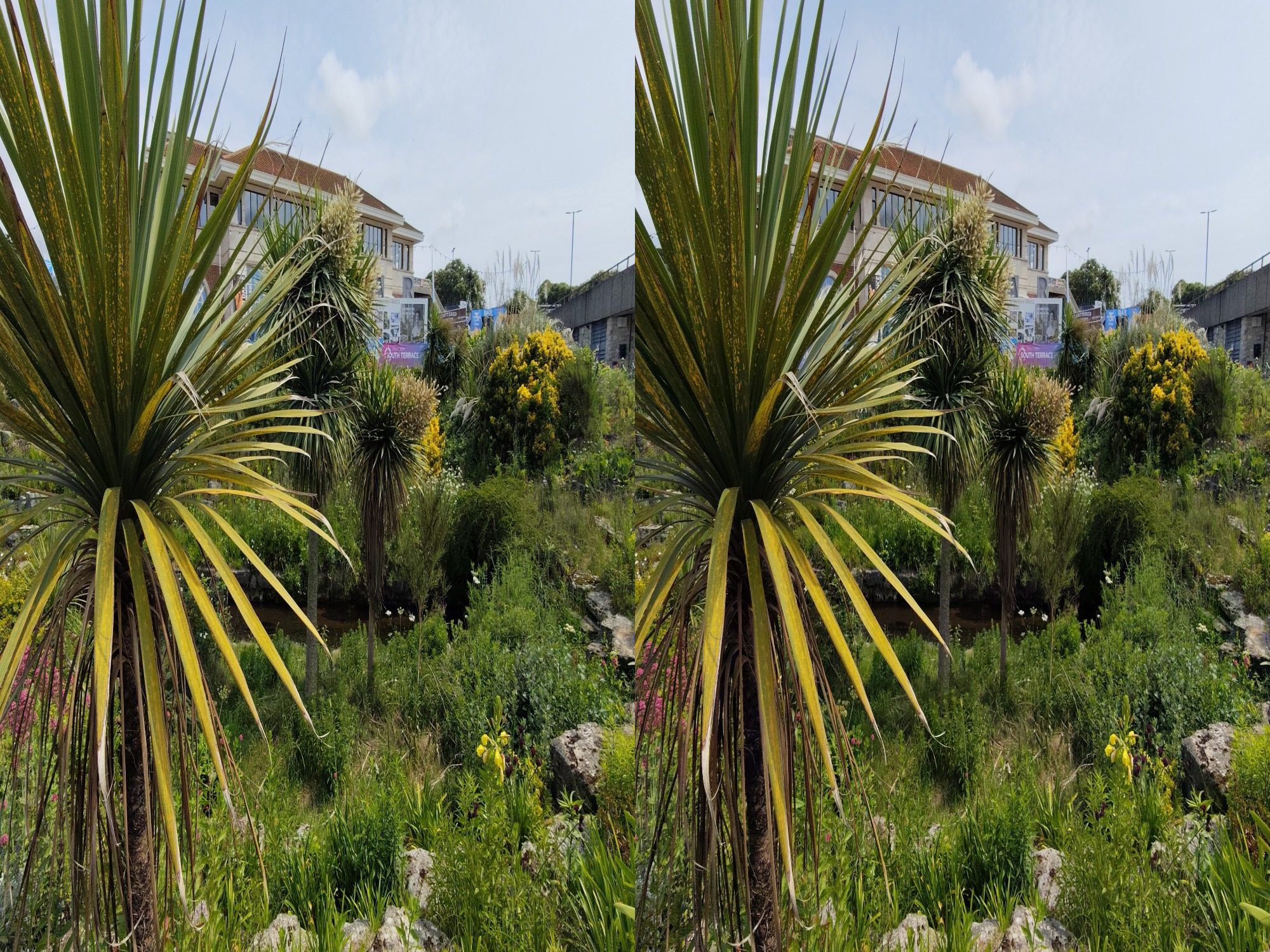
In the realm of photography, the terms Full SBS (Side-by-Side) and Half SBS refer to two distinct methods of creating 3D images. Understanding the difference between these two techniques is crucial for photographers looking to immerse viewers in a three-dimensional experience.
Full SBS involves capturing two separate images of a scene, one from the perspective of the left eye and the other from the right. These images are then displayed side by side, allowing viewers to perceive depth and dimensionality when viewed through 3D glasses or on compatible screens. This technique is particularly effective in creating a more immersive experience, making it ideal for landscapes and dynamic scenes.
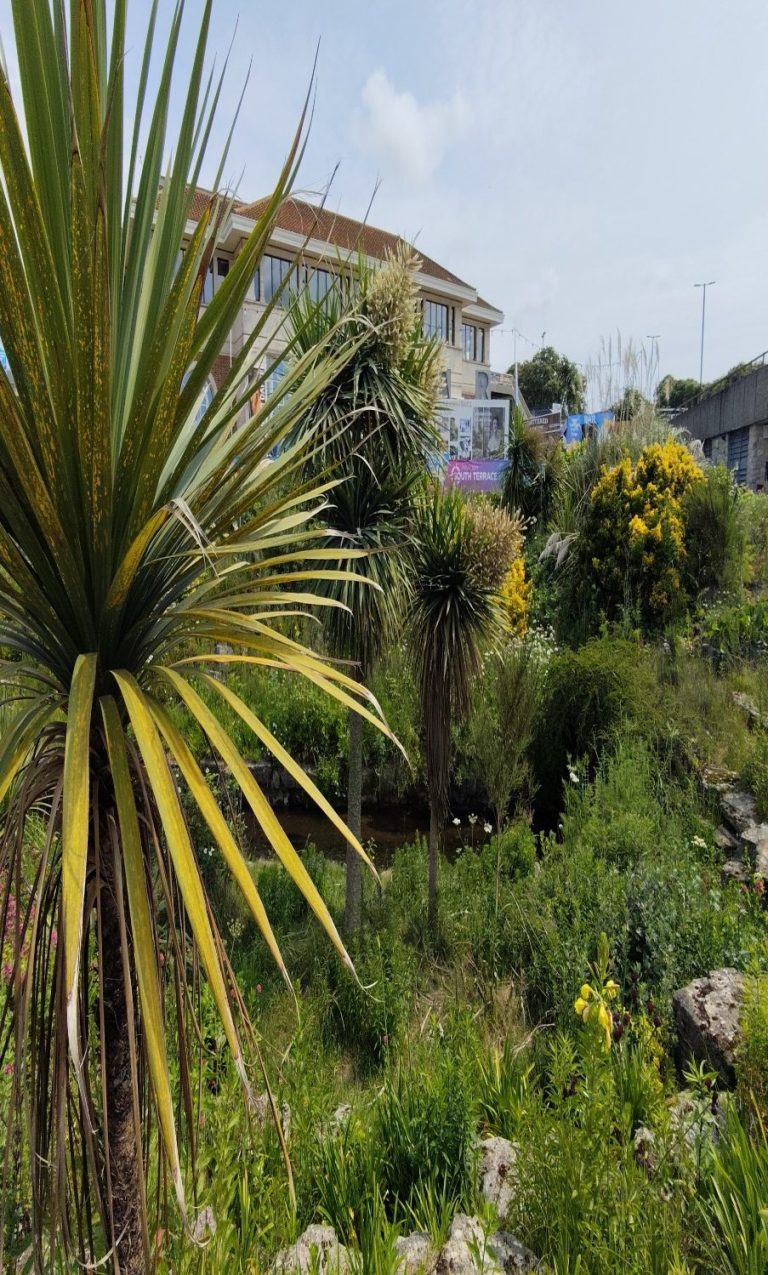
On the other hand, Half SBS reduces the resolution of each image by halving the width, which allows two images to fit into the same space as a standard 2D image. While this method is more efficient in terms of storage and can be useful for mobile devices, it compromises the overall detail and depth perception that Full SBS offers. As such, Half SBS is often preferred for applications where convenience and portability are paramount.
The choice between Full SBS and Half SBS ultimately depends on the intended use and the level of detail required. For professional photographers or enthusiasts looking to produce high-quality 3D visuals that capture intricate details, Full SBS remains the superior option. In contrast, Half SBS may serve well for casual use or quick sharing on social media platforms.
In conclusion, both Full SBS and Half SBS have their merits in photography, each catering to different needs and purposes. By understanding these differences, photographers can select the appropriate method to create stunning 3D imagery that effectively engages their audience.


Tagline
Side By Side Half Photograph
When it comes to choosing the right equipment for shooting SBS (Side By Side) full or SBS half panoramic images, the type of camera you use can significantly impact the quality of your results. For full SBS, where two images are captured side by side to create a wider field of view, a camera with a high resolution sensor is essential. This allows for greater detail and clarity, making the final stitched panorama more visually appealing.
DSLR cameras, such as those from Canon or Nikon, are excellent choices for full SBS photography. They provide the advantage of interchangeable lenses, which means you can select the optimal focal length for your scene. A wide-angle lens is often preferred, allowing you to capture more of the environment without stepping back too far from your subject.
If you are considering an SBS half approach, smaller cameras like mirrorless systems or even high-end compact cameras can be suitable. These cameras are lightweight and often equipped with excellent built-in stabilisation features, which can be beneficial for handheld shots. Brands like Sony and Fujifilm offer impressive models that may fit your needs.
In both cases, utilising a tripod is highly recommended. Stability is key in SBS photography, as even slight shifts can result in stitching errors during editing. A sturdy tripod will ensure that your camera remains fixed in position while you capture your images, resulting in a seamless final product.
Ultimately, the best camera for SBS photography depends on your specific needs and preferences. Whether you choose a full-frame DSLR or a compact mirrorless system, focus on quality lenses and stabilisation features to achieve stunning panoramic images.
Tagline
How to view 3d SBS Photographs and also 3d Video
In the realm of photography, understanding the importance of SBS (Side By Side) formats, whether full or half, is crucial for appreciating the nuances of 3D imagery. When viewing 3D photos presented in the SBS format, the viewer experiences a unique depth that is otherwise absent in traditional two-dimensional images.
To enjoy SBS 3D photos, one must first ensure that the images are correctly formatted. Full SBS photos provide a larger field of view, delivering a more immersive experience, while half SBS images condense the visual data into a more compact format, suitable for various display devices. Both formats allow viewers to perceive the scene with depth and dimension, simulating the way our eyes naturally perceive the world.
Using a pair of 3D glasses is essential for the optimal viewing experience. The glasses filter the images, allowing each eye to see slightly different perspectives, which is foundational for depth perception. This means that for full SBS images, wearing the right type of 3D glasses will enhance the experience significantly, rendering the visual elements with remarkable clarity.
Additionally, many modern televisions and monitors are equipped to display SBS 3D content seamlessly. By selecting the appropriate settings on your device, you can bring these stunning 3D photos to life. Engage with your photographic memories in a more profound way, immersing yourself in the layers of visuals that SBS formats provide.
Ultimately, whether you opt for full or half SBS, the key to experiencing the full depth of your 3D photos lies in your display method and the quality of the images themselves. Embrace these formats, and allow yourself to be transported into the world captured by your lens, witnessing the beauty of photography in an entirely new dimension.
You could also view these with a carboard viewer
Other Comon 3d Formats
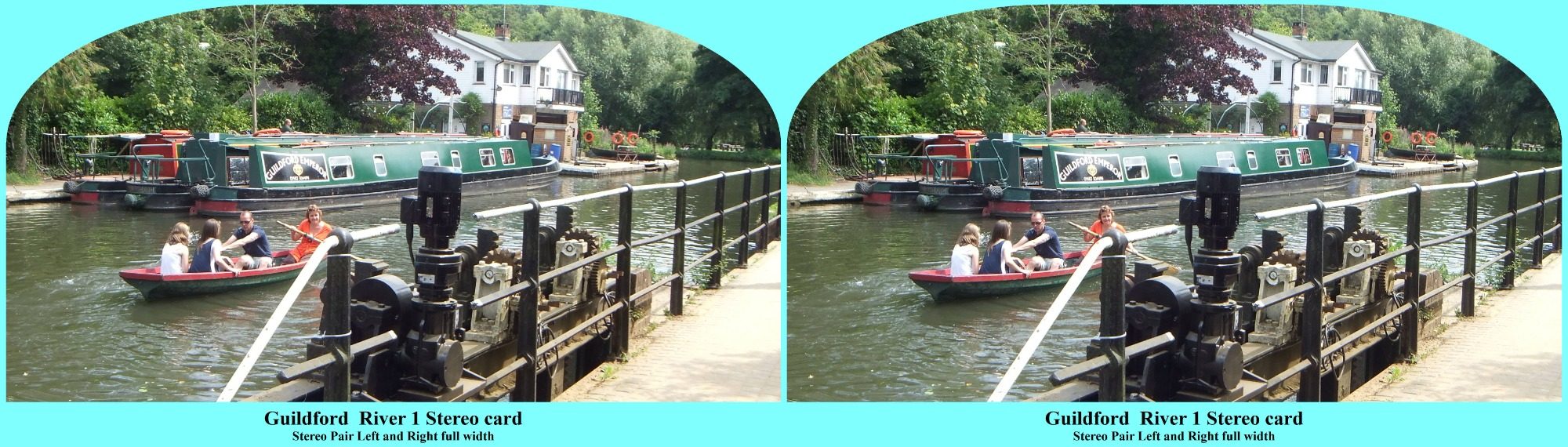
Side by side images are often used to create a sense of depth by presenting two separate views of the same scene, one for each eye. This technique is particularly popular in stereo photography, where the slight difference in perspective helps the brain process a three-dimensional representation. Similarly, the above and below format captures vertical depth, making it ideal for landscapes or architectural photography that require a sense of scale.
Interlaced formats, on the other hand, combine alternating lines of each image into a single frame, resulting in an effect that can be viewed with special glasses. This method tends to be favoured in digital media and presentations, presenting a smooth and cohesive 3D experience. Each format captures the viewer's attention in distinct ways, enhancing the storytelling potential of photography.
Technological advancements have introduced variations such as 3D shutter glasses which synchronise with displays to provide a crystal-clear image. Sharp LCD displays have also enhanced the viewing experience, allowing for brighter colours and higher contrast in 3D imagery. The combination of these technologies has made 3D photography more accessible and impressive than ever before.
Anaglyph images represent another intriguing approach, where two contrasting colours—typically red and cyan—are used to create a 3D effect. This method remains popular in certain circles for its simplicity and ease of use, requiring only standard red-cyan glasses for viewing. As photography continues to adapt to advancements in technology, the creative possibilities within these 3D formats seem boundless, pushing the boundaries of how we capture and interpret visual narratives.