Tagline
Creating Digital Art
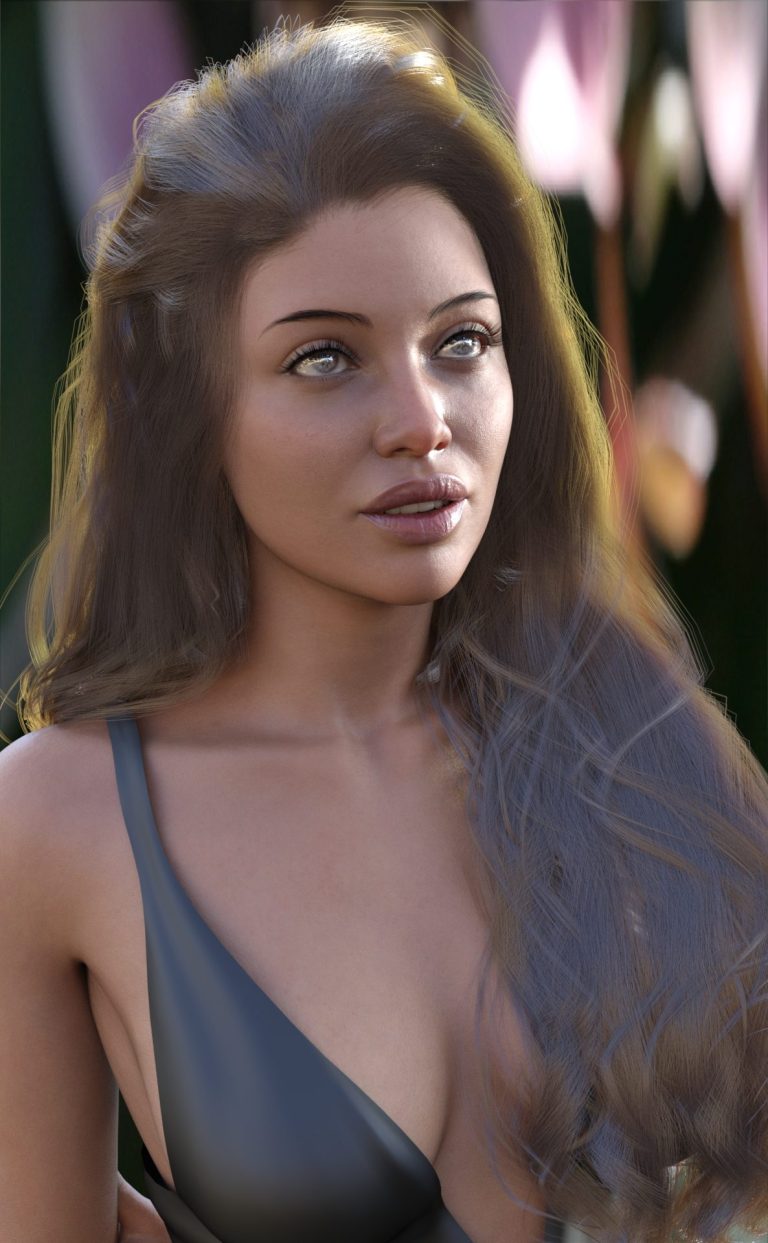
In the realm of digital art, creation is not merely the act of putting ideas down on a screen; it involves a meticulous process that encompasses modelling, rendering, positioning, and lighting. Each of these elements plays a pivotal role in bringing an artist's vision to life, transforming a concept into a fully realised piece of art.
Firstly, the modelling phase is where the artist begins to sculpt their ideas into digital forms. Using advanced software, artists can create intricate 3D models that can range from realistic representations to abstract designs. This stage demands both creativity and technical skill, as the artist must consider the shapes and structures that will ultimately shape the viewer's experience.
Once the models are complete, rendering takes centre stage. Rendering is the process of generating a final image from the 3D model, involving complex calculations to simulate the way light interacts with surfaces. This stage is where the artwork begins to take on a tangible quality, with textures and details becoming more pronounced. The choice of rendering settings can significantly impact the final outcome, allowing artists to experiment with various styles and techniques.
Positioning comes next, where every element in the composition is meticulously arranged to create the desired visual impact. This involves careful consideration of the balance, perspective, and scale within the artwork. An effectively positioned piece draws the viewer's eye and communicates its message clearly, reinforcing the artist's intention.
Finally, lighting plays a crucial role in setting the mood and atmosphere of the artwork. Through the strategic placement of lights, artists can highlight certain features, cast dramatic shadows, and evoke emotions, turning a simple model into a beautifully illuminated scene. The interplay of light and shadow can transform a digital creation, adding depth and realism or enhancing its stylistic attributes, making lighting an indispensable tool in the digital artist’s toolkit.
Tagline
Morphs, Sizing and Textures
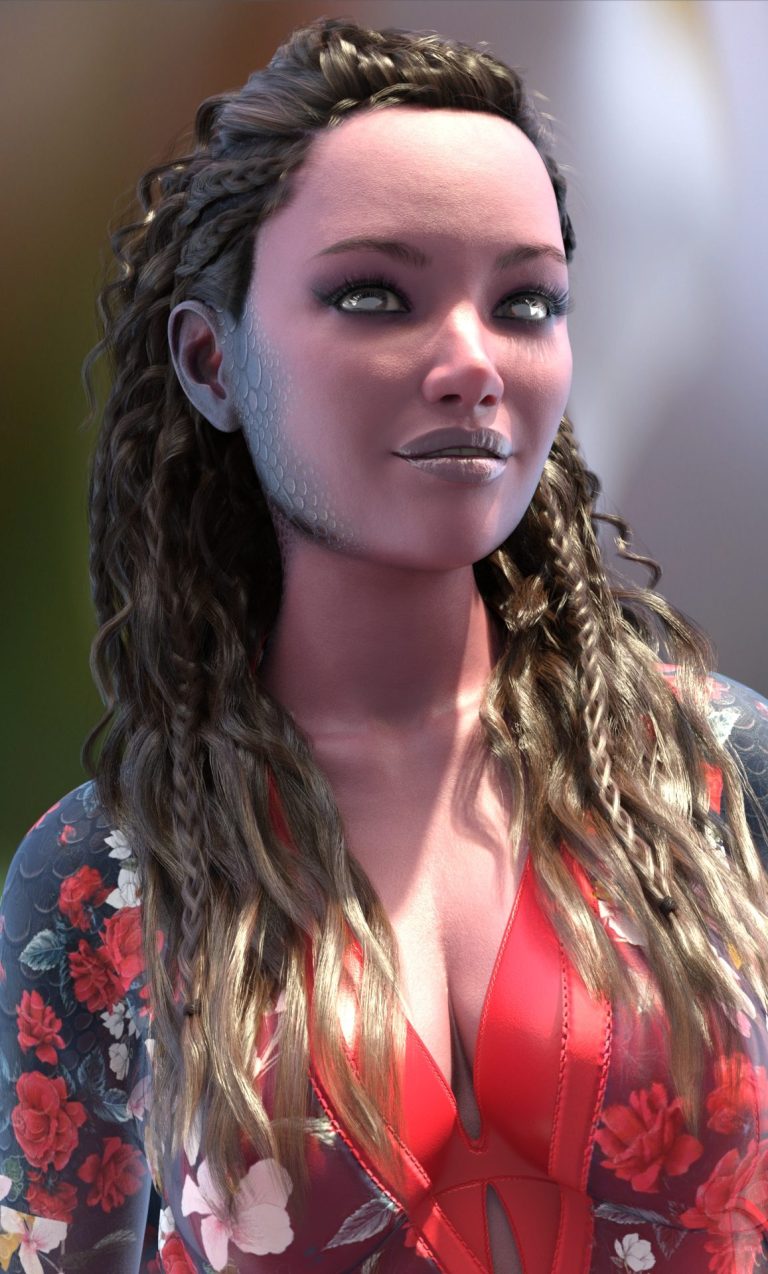
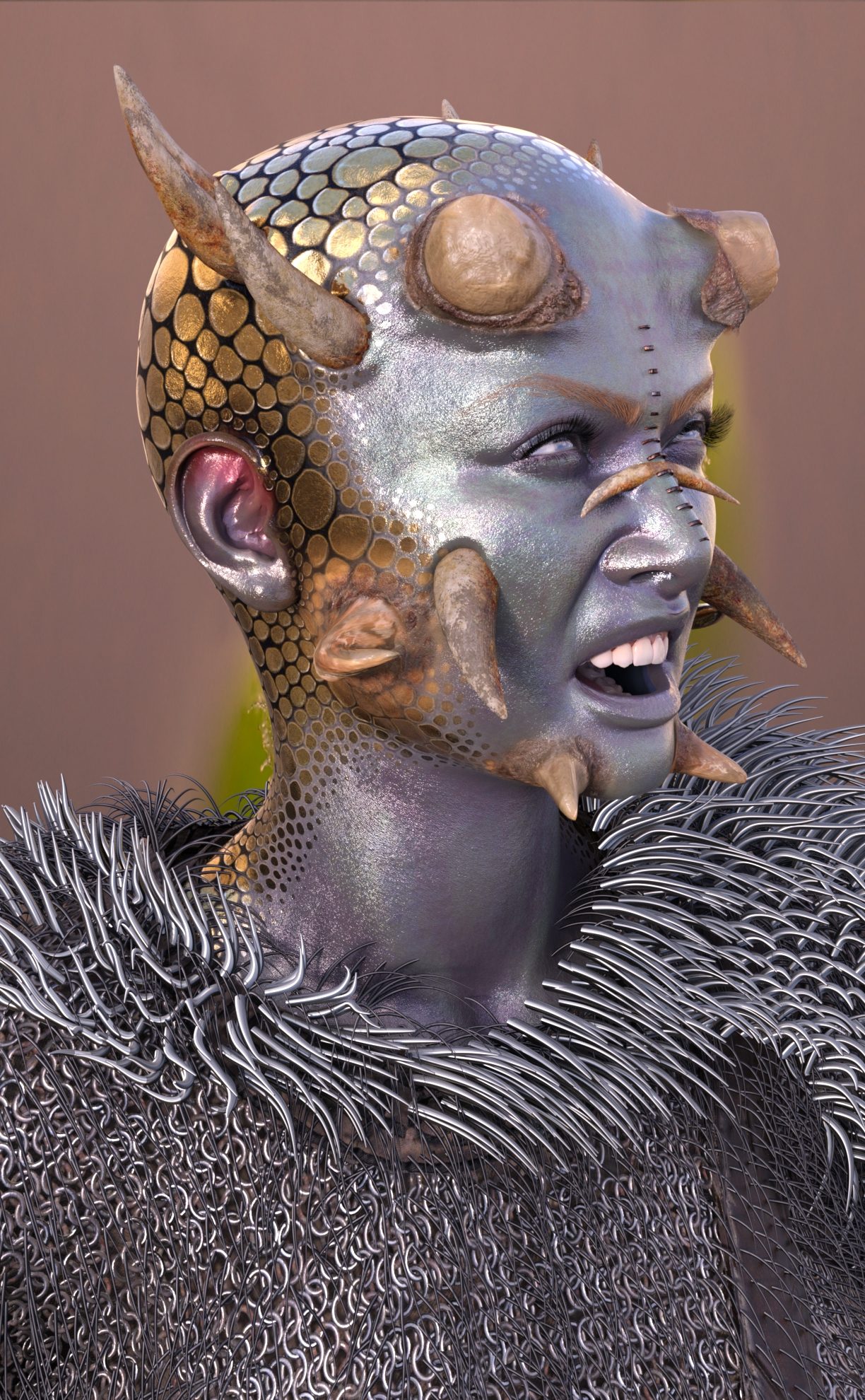
In the realm of digital art, applying morphs and textures plays a pivotal role in enhancing the visual depth and realism of 3D models. Morphs refer to the various shape alterations that can be applied to a model, enabling artists to create diverse expressions, poses, and transformations. By manipulating these shapes, artists can imbue their creations with emotion and personality, significantly elevating the narrative within their artwork.
When it comes to sizing, artists must carefully consider the scale and proportion of their models. The implementation of morphs allows for precise control over dimensions, enabling artists to adapt figures in relation to their surroundings or to other characters. This flexibility ensures that proportions remain consistent, which is crucial for maintaining visual harmony throughout the piece.
Textures, on the other hand, add an essential layer of detail to 3D models. They can replicate the appearance of various materials, such as skin, fabric, or metal, thereby contributing to a model's believability. By applying high-resolution textures, artists can create realistic surface details that greatly enhance the overall aesthetic appeal of their digital artwork.
The combination of morphs and textures creates a powerful synergy in digital art. Morphs can be used to adapt a model’s shape in alignment with its textured surface, ensuring that shadows, highlights, and other details correspond accurately with the underlying geometry. This harmonious integration is vital for achieving a polished final result that meets the expectations of both artists and viewers alike.
In conclusion, the application of morphs, sizing, and textures is fundamental to the craft of digital art. By mastering these elements, artists can push the boundaries of their creativity, crafting visually stunning pieces that resonate with audiences and bring their imaginative visions to life.