Tagline
Music Transformation MIDI, Wave,Mp3
Music has undergone a significant transformation in the digital age, particularly through its intersection with digital art. Traditional sheet music, once solely the realm of printed notes on paper, has found a new life in digital formats. Musicians can now create, edit, and distribute their compositions effortlessly, using software that allows for intricate detailing and the ability to share their work globally in an instant.
MIDI, or Musical Instrument Digital Interface, stands as one of the most revolutionary advancements in music technology. It acts as a protocol that allows electronic instruments, computers, and other digital tools to communicate. This flexibility not only enhances the composition process but also opens avenues for visual artists to integrate live music performance with their artworks, creating immersive experiences that engage multiple senses.
Waveform audio files, often referred to as WAV files, offer high-fidelity sound reproduction that remains crucial in both music production and digital art installations. Artists utilise these rich audio formats to ensure a superior auditory experience, which can significantly enhance the emotional resonance of their visual work. The clarity of WAV files allows for detailed soundscapes that complement and elevate the visual elements present in a digital artwork.
On the other hand, MP3 files democratise music distribution by significantly reducing file sizes while maintaining adequate quality for most casual listeners. This has allowed artists to share their music more easily on various platforms, amplifying their reach and enabling collaboration with digital artists across the globe. The accessibility of MP3s has redefined how music is both consumed and integrated into multimedia art projects.
In summary, the digital transformation of music—through sheet music, MIDI, WAV, and MP3 formats—has created limitless possibilities for artistic expression. This evolution continues to inspire collaboration between musicians and visual artists, fostering creativity that transcends traditional boundaries in the realm of digital art.
Tagline
MIDI
MIDI, which stands for Musical Instrument Digital Interface, is a protocol that enables electronic musical instruments and computers to communicate. In the realm of digital art, MIDI codes play a crucial role, especially when it comes to creating interactive installations and audiovisual performances. These codes translate the actions taken on an instrument into digital signals, making them essential for artists who explore the intersection of music and visual stimuli.
Each note played on a MIDI-compatible keyboard is assigned a unique MIDI code, typically in the range of 0 to 127. This coding system allows for a diverse palette of sounds and effects to be triggered, depending on the keys pressed. For digital artists, understanding these codes means they can manipulate audio in real-time, synchronising it with visual elements to create immersive experiences that engage audiences on multiple sensory levels.
Furthermore, the application of MIDI codes extends beyond mere sound production. In digital art, these codes can be employed to control various parameters such as lighting effects, projected visuals, and even movements of robotic installations. By mapping MIDI notes to specific visual outputs, artists can compose complex performances where musical input directly influences the handmade or digital artwork in synchrony.
In recent years, the integration of MIDI technology into digital art installations has opened new avenues for creativity. Artists are now able to create dynamic environments that respond to live music performances, blurring the lines between performer and audience. This interactive aspect enhances the viewer's experience, making them an integral part of the artistic process.
As digital art continues to evolve, MIDI codes will undoubtedly remain a significant tool for artists. By harnessing the potential of this technology, they can push the boundaries of traditional art forms and explore innovative ways of expressing ideas through sound and motion. The synergy between MIDI and art exemplifies how technology can be beautifully intertwined with creative expression, setting the stage for exciting artistic developments in the future.
Tagline
Audio Formats
In the realm of Digital Art, the utilisation of various audio formats plays a pivotal role in enhancing the overall experience of multimedia projects. Wave files, commonly known as WAV, are a popular choice among artists for their superior sound quality and uncompressed nature. This format allows for a rich and immersive auditory experience, which is particularly beneficial when synchronising sound with visual elements.
Unlike the more widely used MP3 format, which compresses audio to reduce file size at the expense of some sound fidelity, WAV files maintain the integrity of the original recording. This is essential for digital artists who aim to create works that require high-resolution audio, as it ensures that every nuance of the sound is preserved, allowing for a more profound connection with the audience.
In addition to WAV and MP3 files, artists often experiment with other audio formats, such as AAC and FLAC, each providing unique attributes that may complement specific artistic visions. For instance, FLAC offers lossless compression, striking a balance between file size and sound quality—ideal for projects requiring storage efficiency without sacrificing detail.
The choice of audio format can significantly influence the perception of a digital artwork. For example, soundscapes created in WAV format might evoke a different emotional response compared to those rendered in MP3, since the clarity and depth of the audio can alter the listener's experience drastically. Therefore, understanding the distinctive qualities of each file type is essential for artists looking to craft compelling auditory environments.
Ultimately, the integration of high-quality sound files like WAV, alongside varied formats such as MP3 and FLAC, empowers digital artists to create multifaceted experiences that engage and captivate audiences. As technology continues to evolve, the exploration of audio formats will remain an integral part of the artistic process in the digital age.
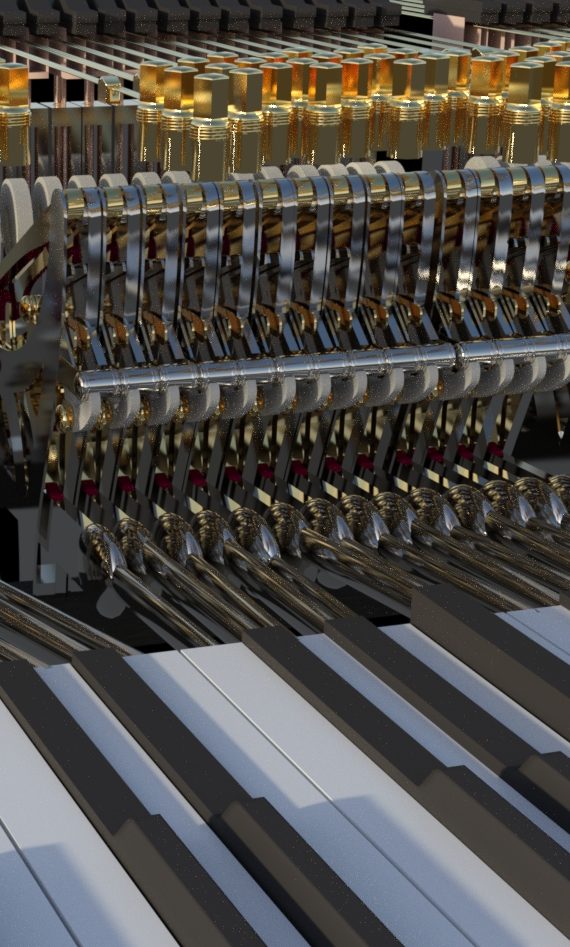
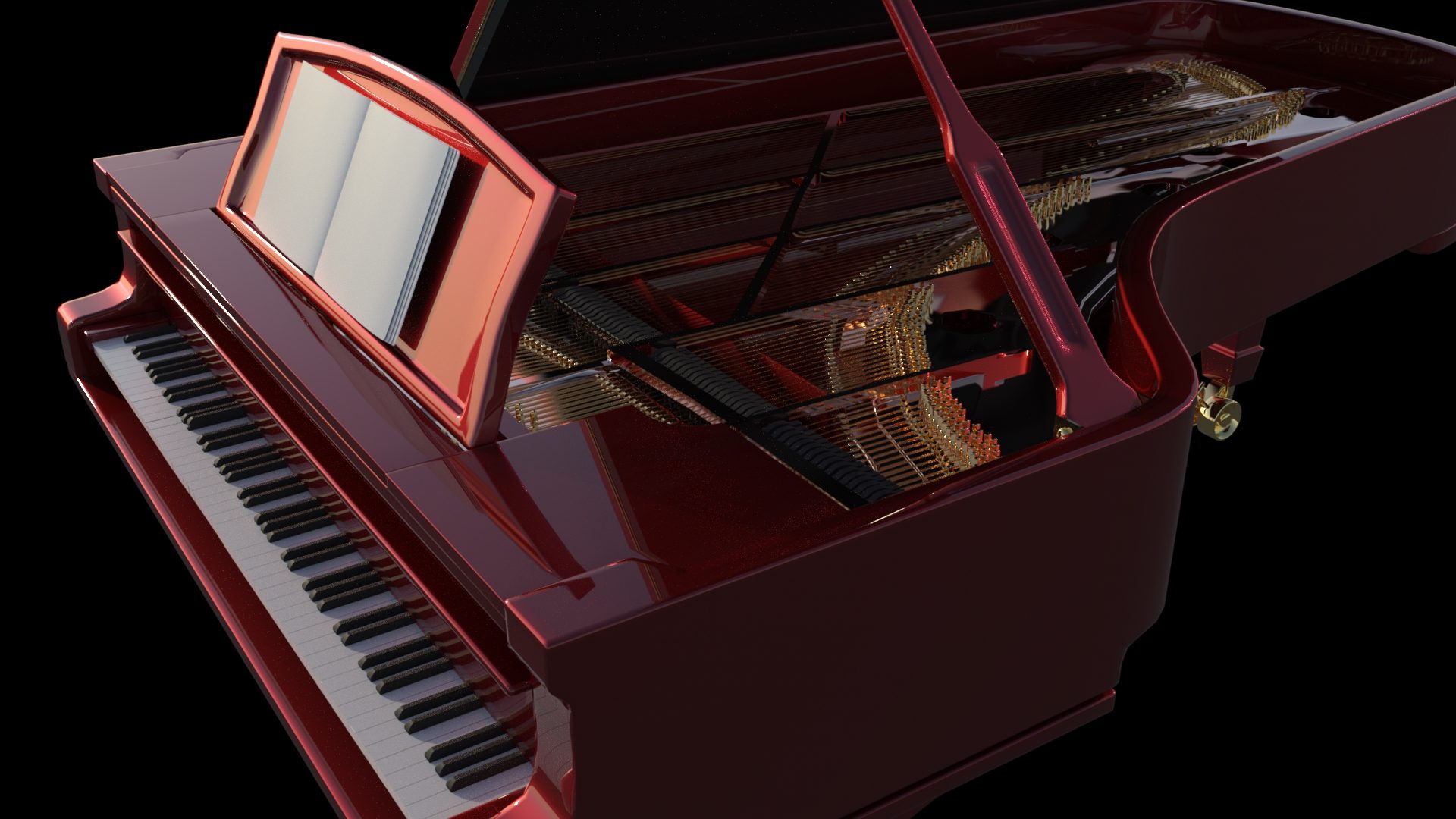
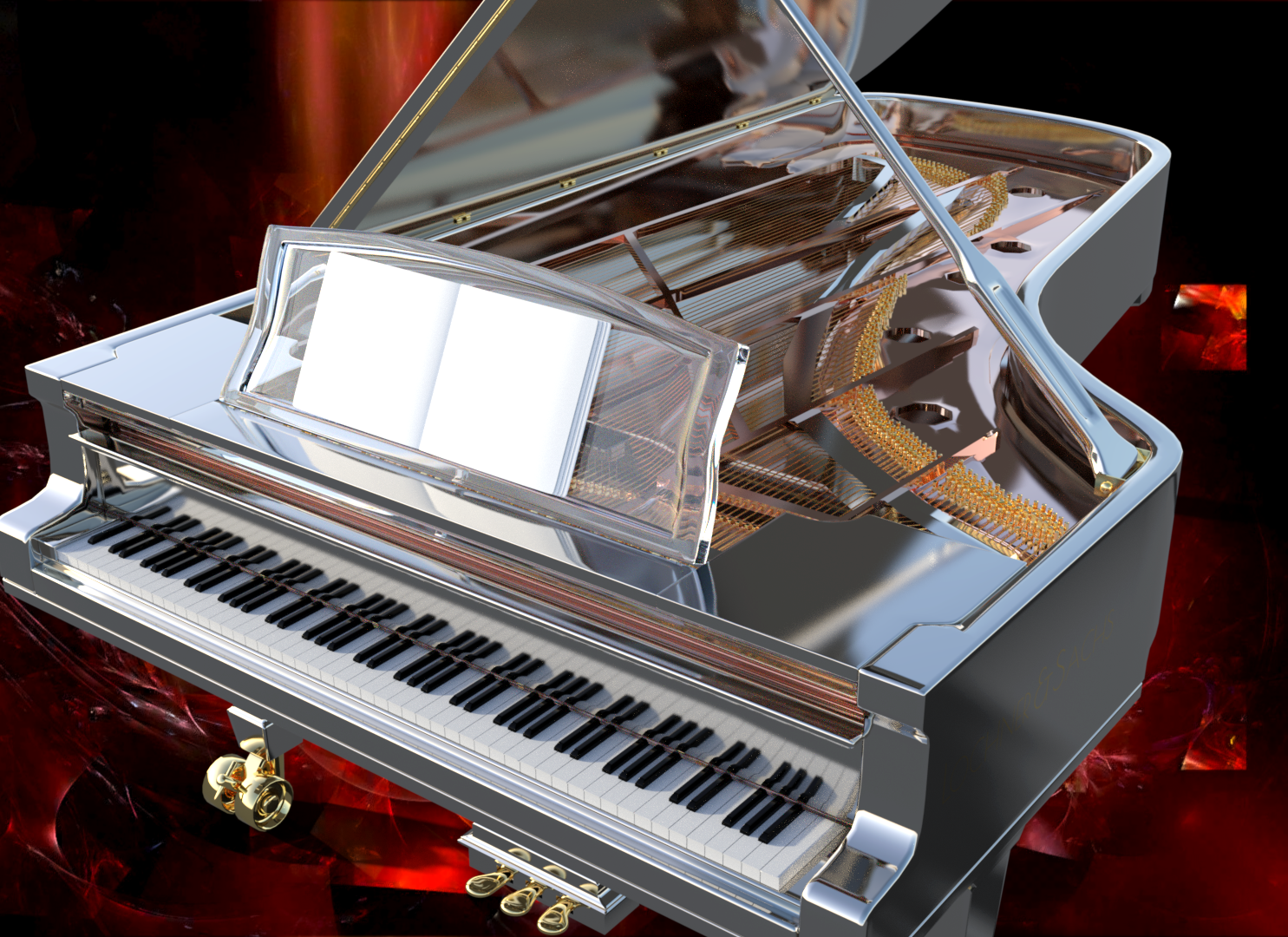
Using Modeling, Animation, MIDI, Wave, Rendering,and Video You can create the above
Programs used, Magix Samplitude, Blender, Daz Studio, Virtual Dub, Magix Movie Maker,
MCasual Midi to Animation Program , MIDI Stream Converter
Together with Time Creativity Patience learning understanding and Love