To fractal or not to fractal
Fractals that can be used in Digital Art
Fractals are intricate structures that reveal self-similarity at various scales, making them fascinating subjects in mathematics and computer graphics. These infinitely complex patterns can be generated through iterative processes, which means applying a set of mathematical rules repeatedly to create visual complexity from simple equations. This behaviour is inherent to fractals, where a small segment of the pattern mirrors the entire structure, resulting in stunning visual effects.
To render fractals, one typically begins with a mathematical formula, such as the Mandelbrot set or the Julia set. Each of these sets derives from a simple equation involving complex numbers, where the iteration of these formulas generates stunning visual outputs. For example, the Mandelbrot set is defined by the equation z = z² + c, where z and c are complex numbers. By iterating this equation and plotting the points in the complex plane, we can visualize the boundary of the set, revealing intricate patterns and behaviours.
The mathematics behind fractals involves concepts such as recursion and limits, but the principles can be understood even by those with minimal mathematical backgrounds. Many programming languages, including Python, Java, and C++, have libraries that facilitate the rendering of fractals through visualisation techniques. This allows enthusiasts and mathematicians alike to explore the aesthetic beauty of fractals while gaining insight into their mathematical nature.
Rendering fractals efficiently requires an understanding of colour mapping and optimisation techniques. By assigning different colours to the number of iterations taken to escape a set threshold, one can create vibrant images that highlight the structure of the fractal. Moreover, using algorithms to manage memory and processing power can significantly improve rendering speed, especially for more complex fractals that demand higher computational resources.
In conclusion, fractals serve as an intersection between art and science, showcasing the beauty of mathematics through visual representation. Their recursive nature invites exploration, making them a compelling topic for both mathematical inquiry and artistic expression. With advancements in rendering technology, the capacity to create stunning fractal images continues to expand, thus broadening our understanding of these remarkable mathematical constructs.
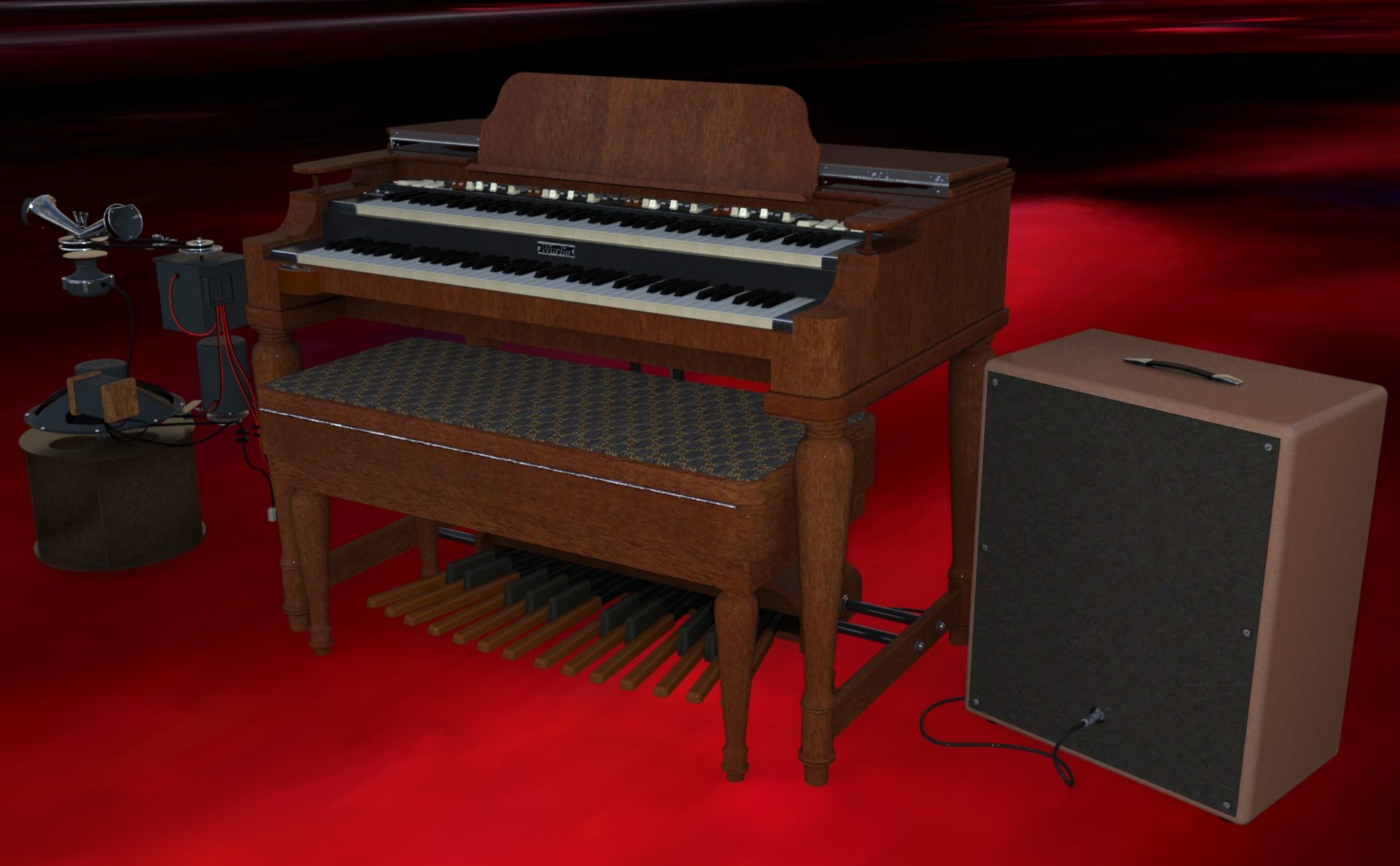
TD3d Electric Organ and WTA Internals
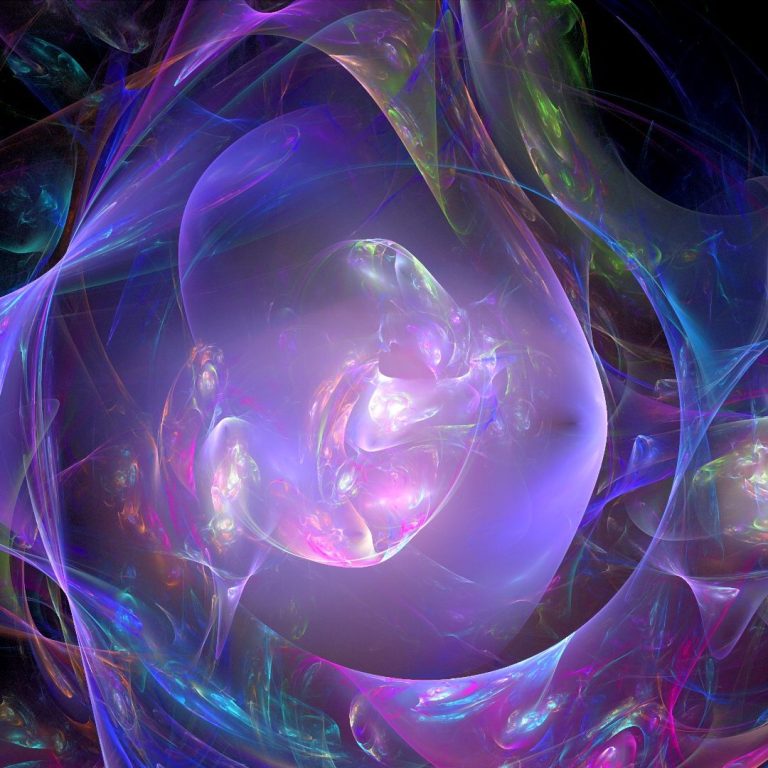
The Fractal was created using Apophysis, the fractal has been added to a plane, in this case the floor
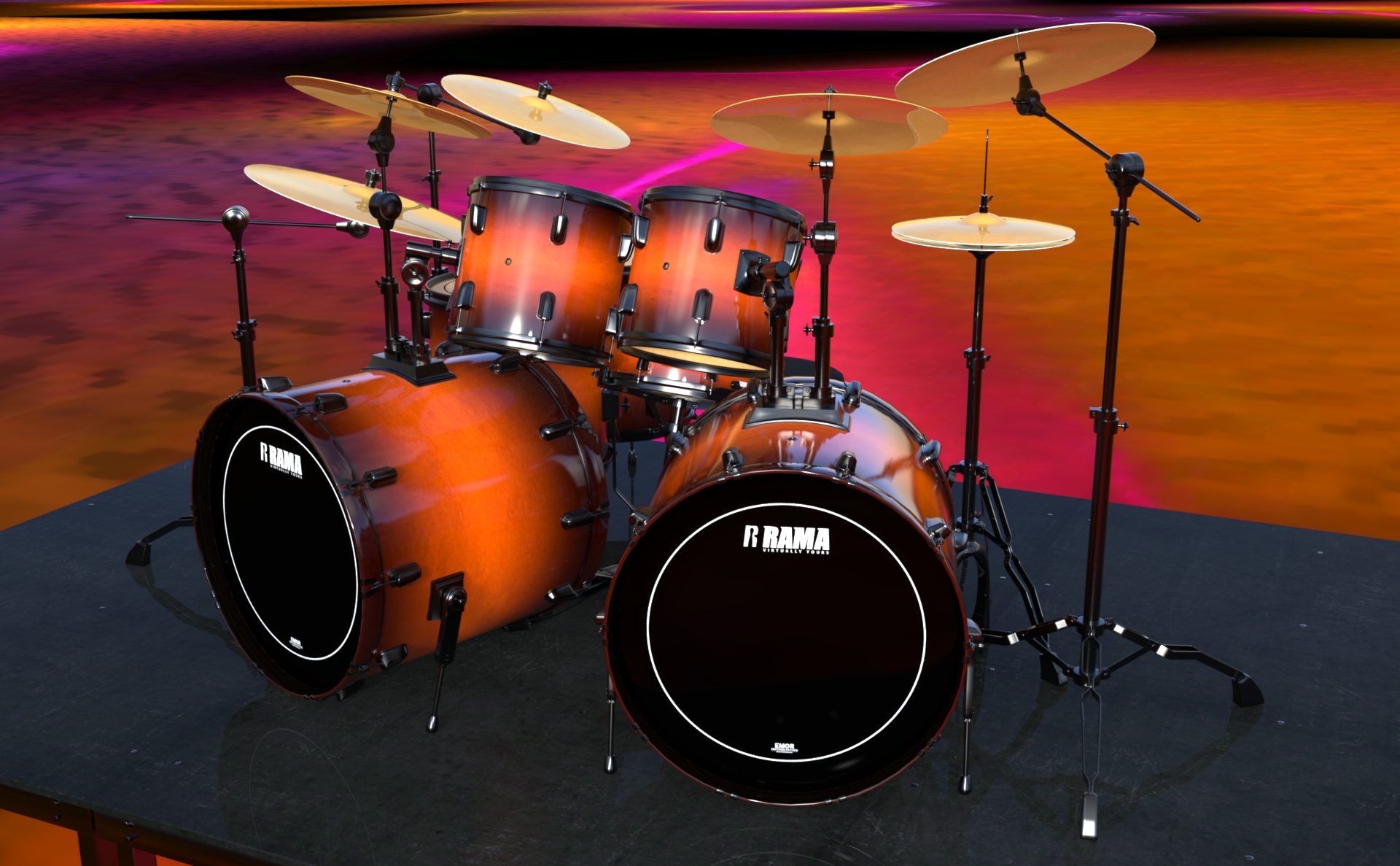
RRama Drum Kit
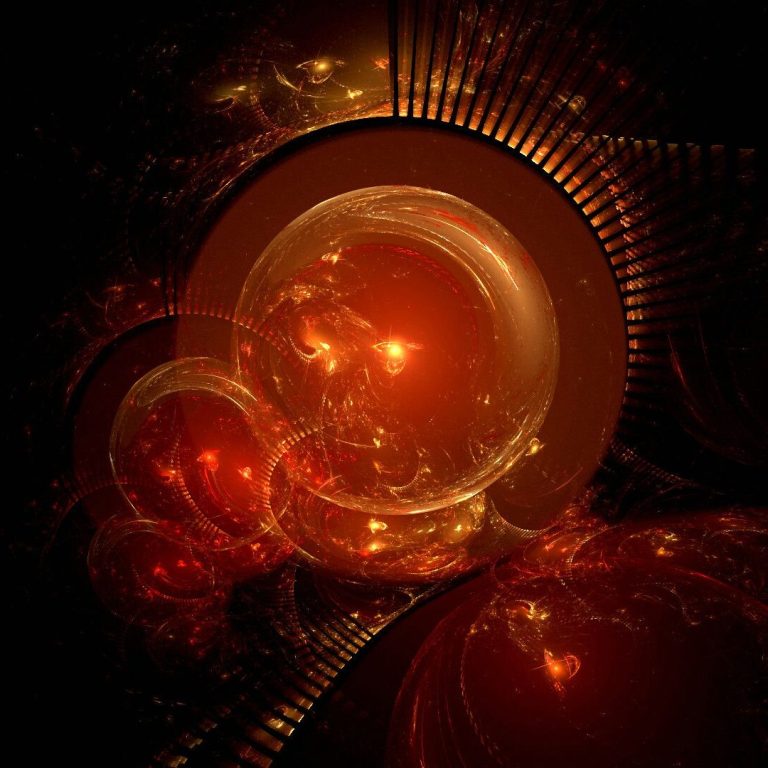
The Fractal was created using Apophysis, again added to a plane to act as a floor
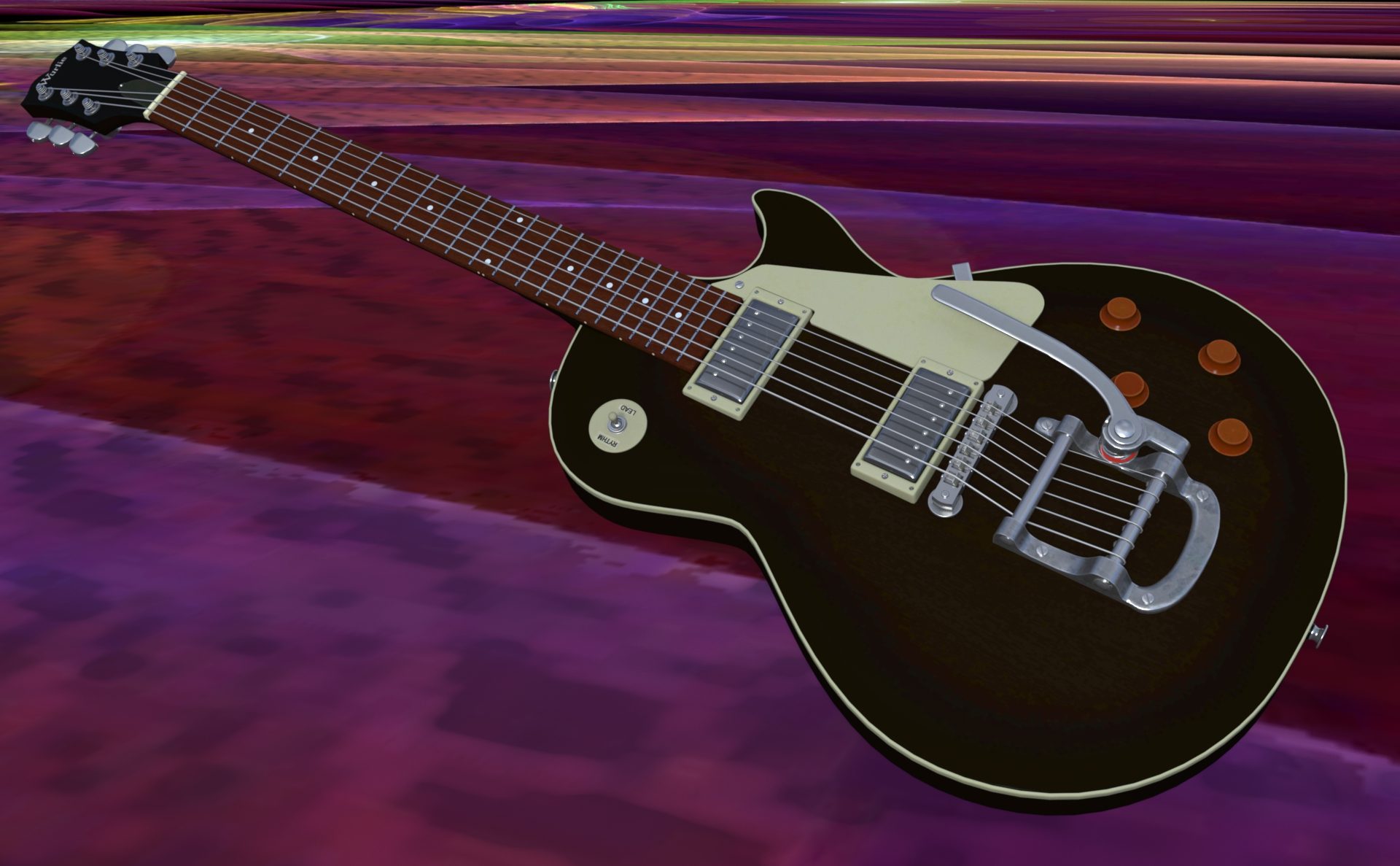
Td3d Electric Guitar
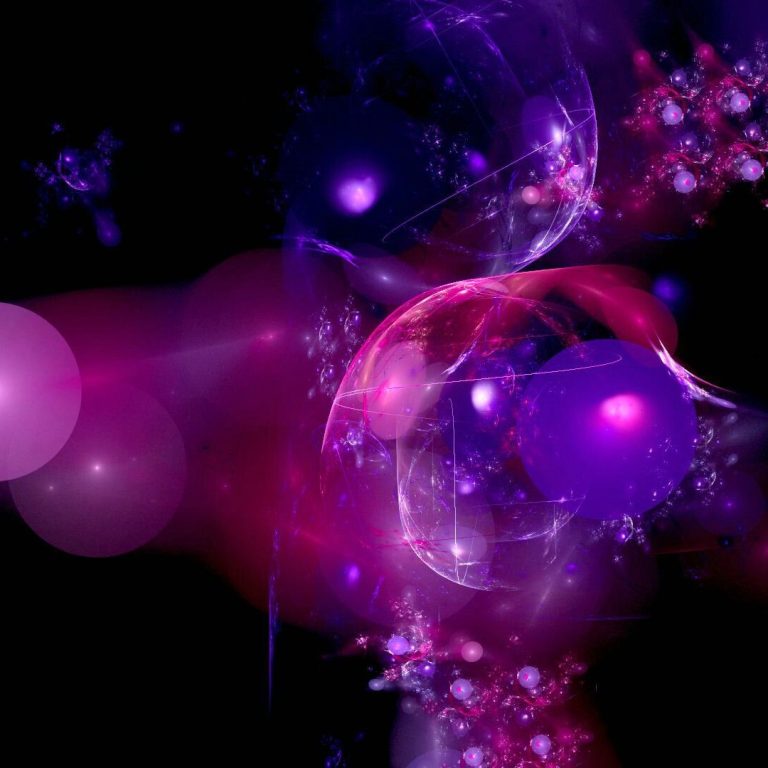
The Fractal was created using Apophysis, added to a plane as before for a floor, you could also move the plane through 90% to create a background