Textures in Digital Art and Models
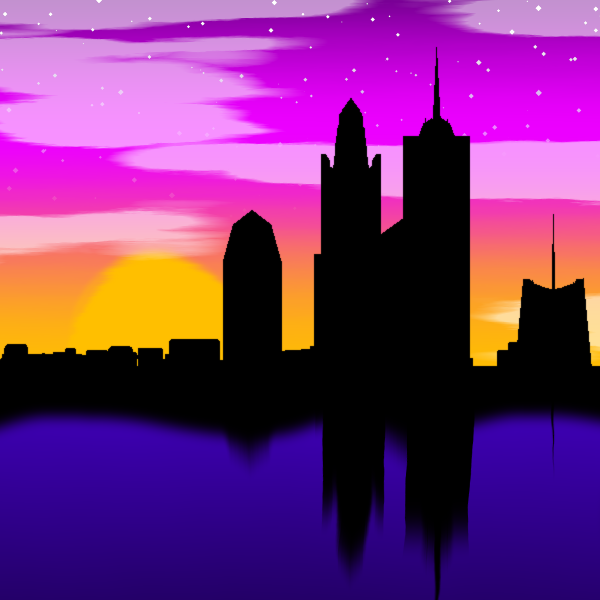
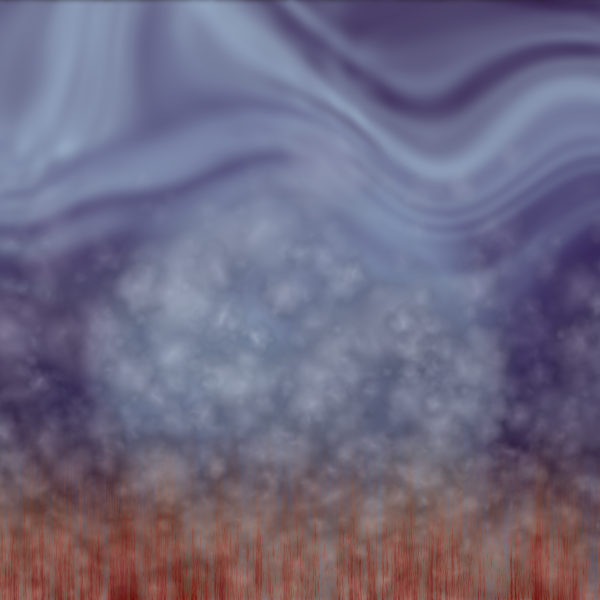
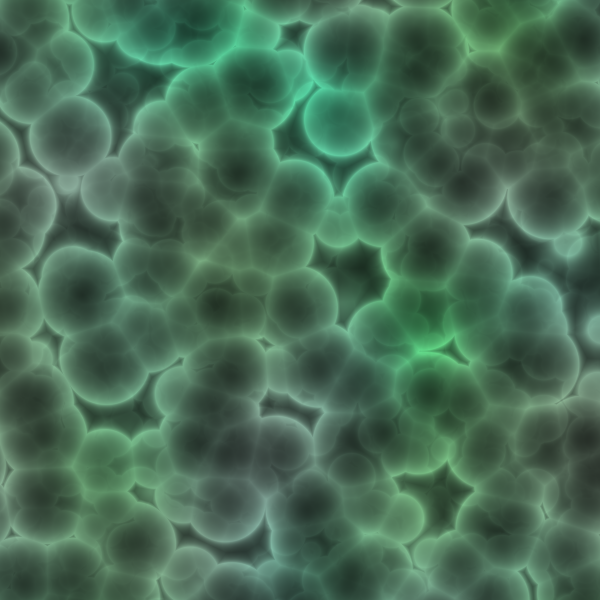
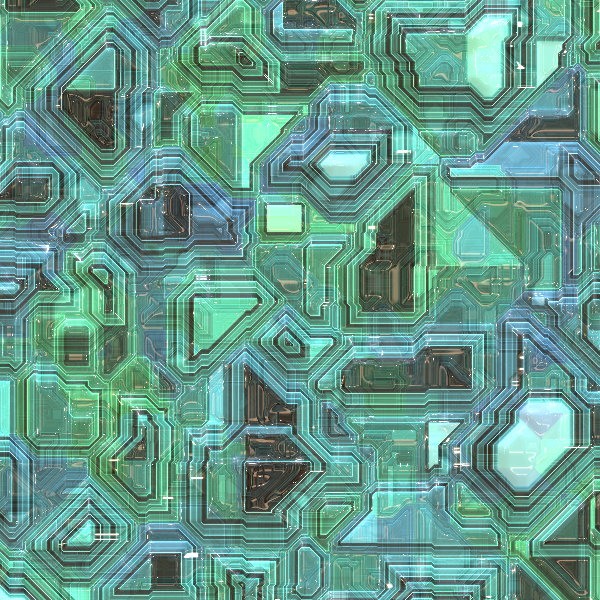
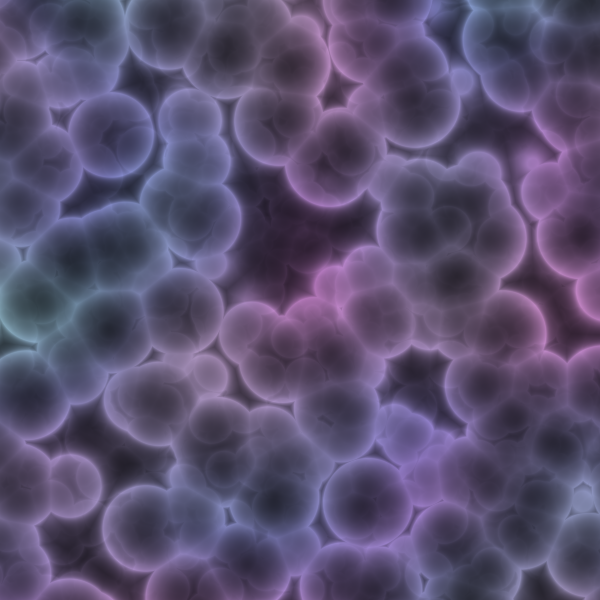
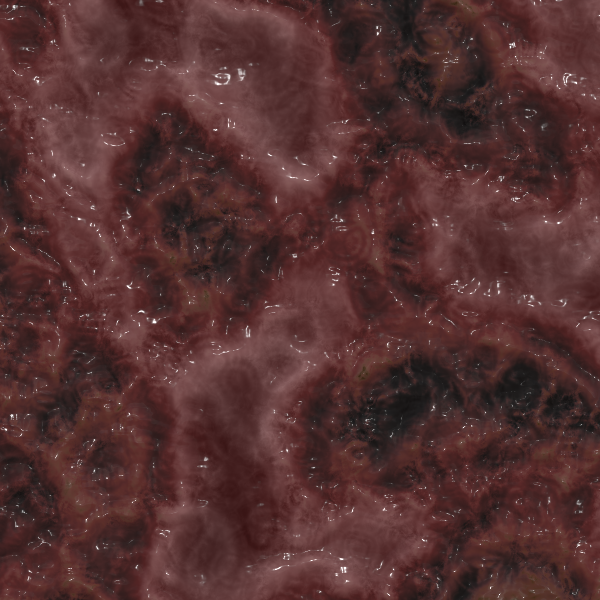
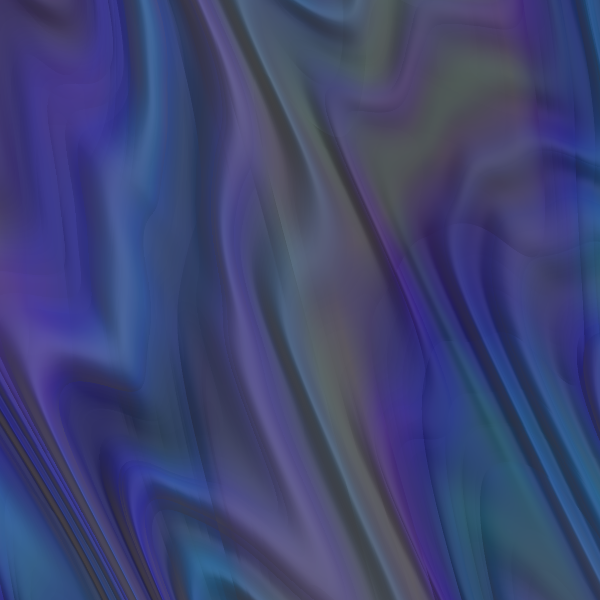
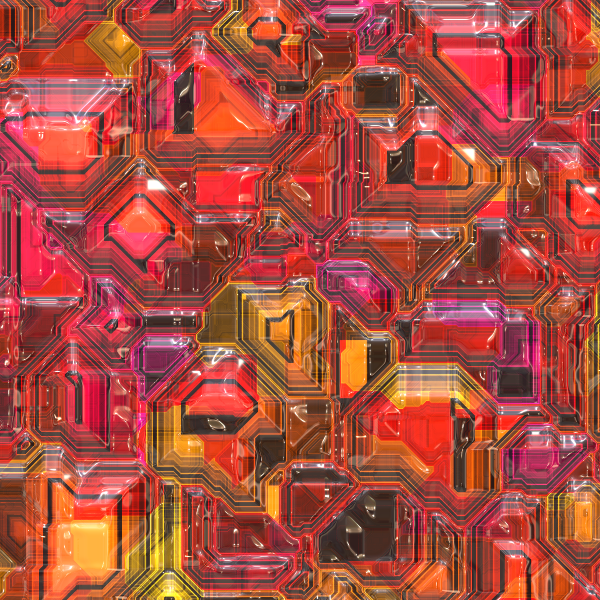
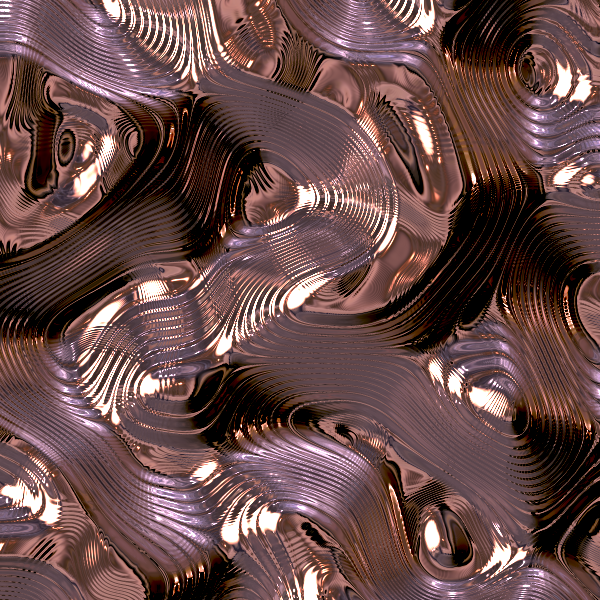
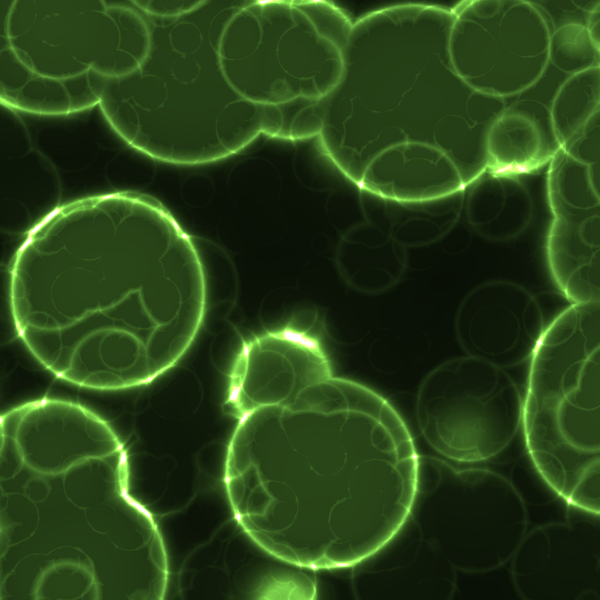
The ones here were created using Filter Forge 11
In the realm of digital art, textures play a crucial role in enhancing the visual depth and realism of a piece. These intricate patterns and surfaces can transform a flat image into a captivating, lifelike representation. Artists meticulously select and create textures to evoke specific feelings and convey narratives, making them an indispensable component of their creative toolkit.
Textures in digital art can range from the smoothness of a polished surface to the ruggedness of natural materials. Artists often utilise high-resolution images of various textures, such as wood grain, stone, or fabric, to overlay on their digital canvases. This layering technique adds complexity and richness, allowing the artist to create a multi-dimensional effect that draws the viewer in.
In the context of 3D modelling, textures serve a similar function, providing essential visual information to a model’s surface. By applying textures, artists can simulate the appearance of various materials, such as metals, plastics, or organic matter. This not only enhances the aesthetic appeal but also aids in creating a believable interaction between the model and virtual lighting environments.
The process of texturing 3D models often involves both procedural techniques and hand-painted textures. Procedural textures are generated algorithmically and can produce complex surfaces without the need for bitmap images, while hand-painted textures allow for a more personalised touch, showcasing the artist's unique style. Together, they contribute to the overall realism and detail of any digital project.
Ultimately, the thoughtful use of textures in digital art and models enriches the viewing experience, bridging the gap between reality and the digital realm. As technology continues to evolve, the possibilities for texture application expand, paving the way for even more innovative creations in this dynamic field.